Displaying 1 - 30 of 44 Clear
Highlight
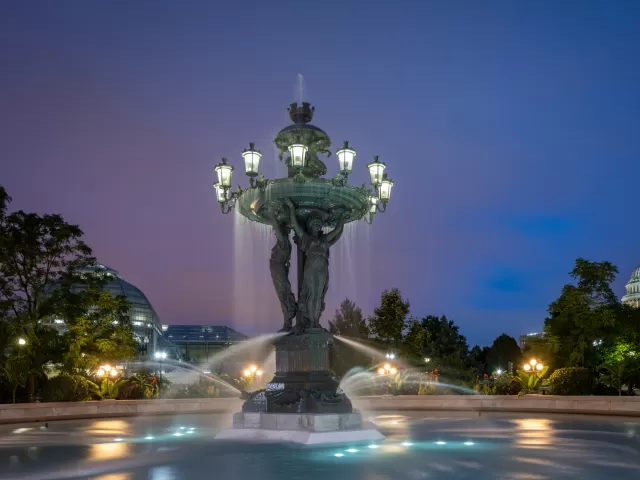
Image Fountain of Light and Water The cast-iron fountain, painted to look like bronze, weighs more than 15 tons and is 30 feet high. It was intended to be an allegorical representation of water and light, designed in three identical sections with classical forms and symbols. Turtle-like aquatic monsters and large …
The cast-iron fountain, painted to look like bronze, weighs more than 15 tons and is 30 feet high. The fountain previously stood at the 1876 Centennial Exhibition in Philadelphia's Fairmont Park before it was purchased in 1877 by the United States government.
Projects
Article
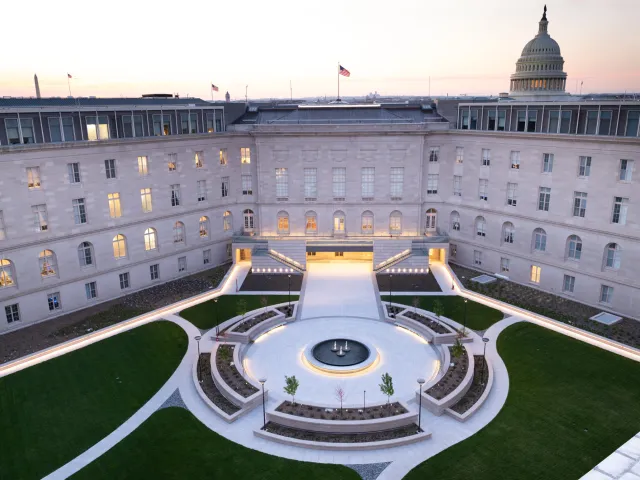
The historic relationship between the Cannon Building and its landscape has been restored with a central green space usable for the first time since the 1950s.
Project
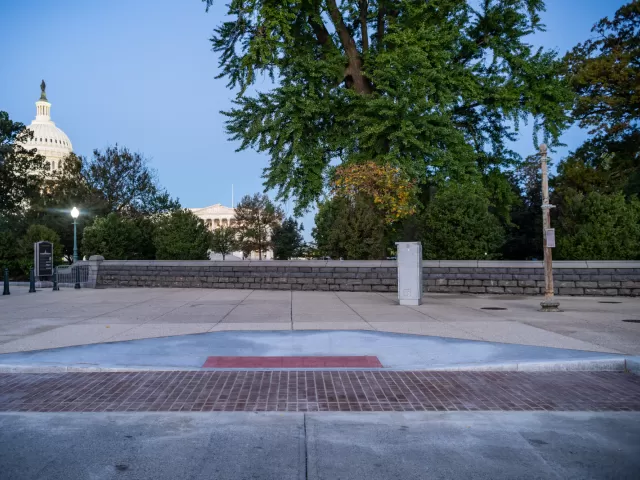
For example, the Cannon Renewal included constructing ADA-accessible building entrances, widening doorways, adding family restrooms, installing accessible drinking fountains and adding elevators. Fiscal Year 2025 Campuswide accessibility improvements addressed 1,986 barriers identified by the Office of Congressional Workplace Rights (OCWR). Efforts included infrastructure upgrades, ADA compliant walkways and entrances, enhanced signage, and digital wayfinding …
Many of the historic buildings under the Architect of the Capitol’s (AOC) care were constructed before the establishment of current accessibility standards and require upgrades to provide reasonable accommodations for individuals with disabilities.
Basic page
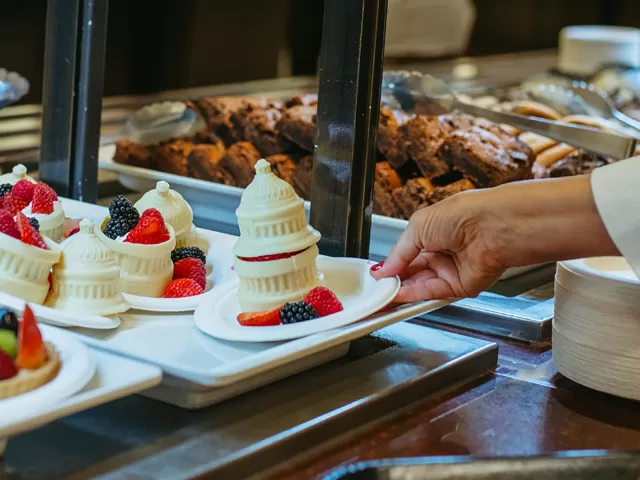
Capitol Police at 202.225.4200. Restaurants and Dining Capitol Visitor Center Restaurant House Office Building Restaurants Library of Congress Restaurants Senate Office Building Restaurants Supreme Court Building Restaurant Restrooms and Water Fountains Single-Stall Restrooms Summerhouse Drinking Fountains … First Aid Office of Attending Physician Locations Getting Here U.S. Capitol Campus Map Gift Shops Capitol Visitor Center Gift Shops Library of Congress Gift Shop Supreme Court Building Gift Shop U.S. Botanic Garden Gift Shop U.S. House of …
Looking for how to get here, where to eat and where to shop? Below are some available options for visitors to the U.S. Capitol and other campus buildings.
Place
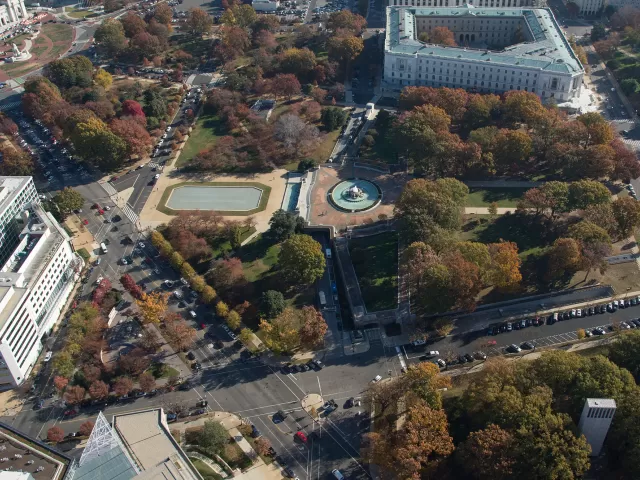
Initially designed in 1929 by William E. Parsons, of the Chicago firm of Bennett, Parsons and Frost, the grounds were planned with the clear purpose of providing a gracious, functional and formal link between the U.S. Capitol and Union Station. Parsons' plan was carefully considered with a spatial
Highlight
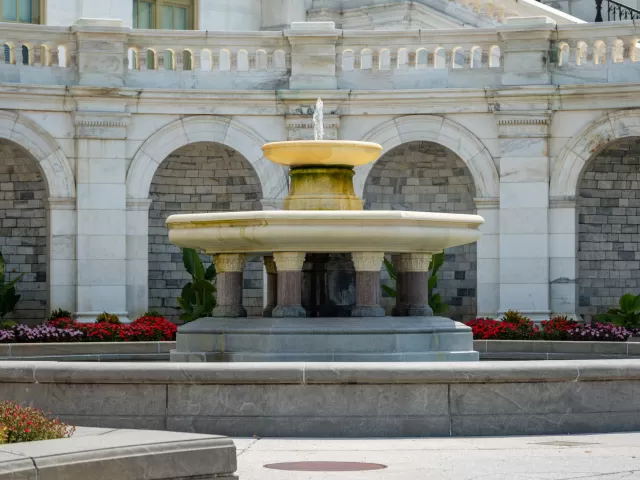
Image West Central Fountain An octagonal bowl upheld by short granite columns designed in the Romanesque style. During preparations for presidential inaugurations on the West Front, this fountain is covered by the special platform built for the occasion. … An octagonal bowl upheld by short granite columns designed in the …
An octagonal bowl upheld by short granite columns designed in the Romanesque style.
Highlight
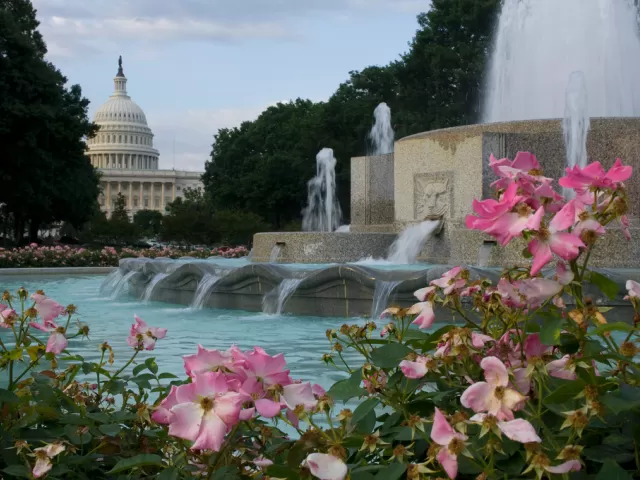
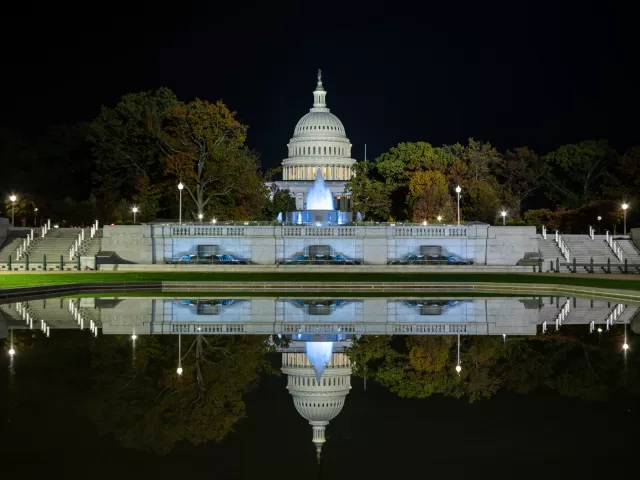
The hexagon is 25 feet across and the basin measures 85 feet by 100 feet. From the oval basin the water is piped underground to three sculpted stone bubbler fountains in the north wall of the terrace. The scalloped rims of their tiered basins repeat the pattern of the large fountain above. From there the water is again piped underground to the lower level of the 180-foot-by-80-foot reflecting pool. The present lighting display is comprised of 114 underwater …
The Senate Fountain, a hexagonal granite monolith with high jets of water spouting from its center, is surrounded by six smaller jets on a lower level.
Place
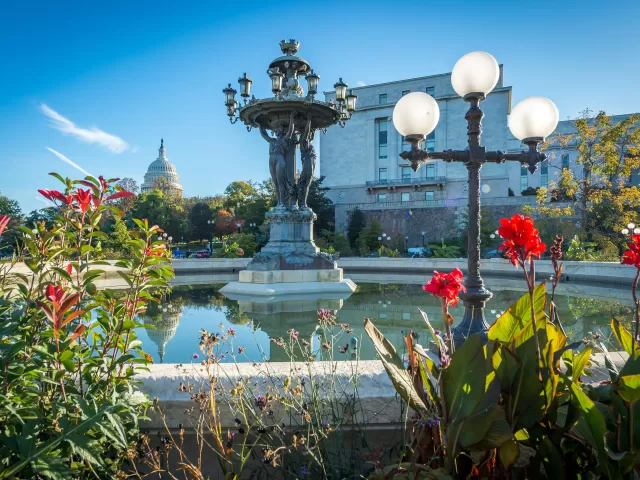
Image Bartholdi Fountain and Gardens Created in 1932 when the U.S. Botanic Garden (USBG) was relocated, the park was renamed in 1985 after the sculptor of the historic " Fountain of Light and Water " located at its center, Frédéric Auguste Bartholdi—later famous for the Statue of Liberty. Bartholdi Fountain and Gardens …
Bartholdi Gardens serves as a home landscape demonstration garden and showcases innovative plant combinations in a variety of styles and design themes.
Highlight
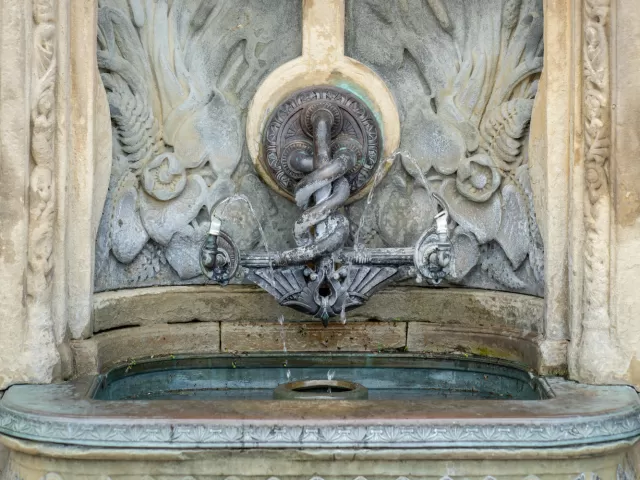
Image West Boundary Wall Drinking Fountain Designed by Frederick Law Olmsted, this unique fountain is slightly hidden in the terrace wall that borders Capitol Square to the west, just across from the Grant Memorial. This fountain was added here after the former central pedestrian entrance and its gatehouses were removed from the U.S. Capitol …
Designed by Frederick Law Olmsted, this unique fountain is slightly hidden in the terrace wall that borders Capitol Square, just across from the Grant Memorial.
Behind the Scenes
Article
Put Things in Context Image A view of the U.S. Capitol on a cloudy day. There are numerous spots around campus that are perfect for capturing stunning and impactful photos. The Olmsted fountains and planters along the East Plaza of the U.S. Capitol Building, the Summerhouse , the Ulysses S. Grant Memorial and the Capitol Reflecting Pool are some of the most popular sites. Each location offers photographers the opportunity to capture the unique contrast of colorful flora and formal …
See the Capitol campus through the eyes of an AOC Photographer.
Projects
Article
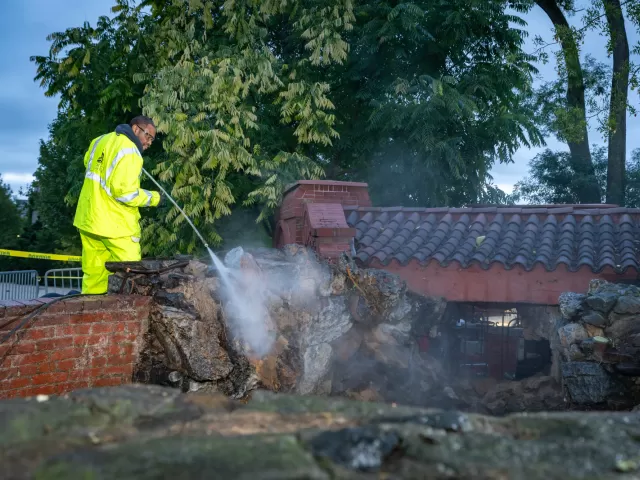
More than 140 years later, the Architect of the Capitol's Summerhouse still offers visitors respite. Recent maintenance efforts will help keep the site around for repeat visitors and first timers alike.
Project
The Architect of the Capitol's commitment to sustainability is demonstrated through our robust energy conservation and sustainability programs. The agency incorporates sustainable design and construction practices into the major projects executed throughout Capitol Hill.
Behind the Scenes
Article
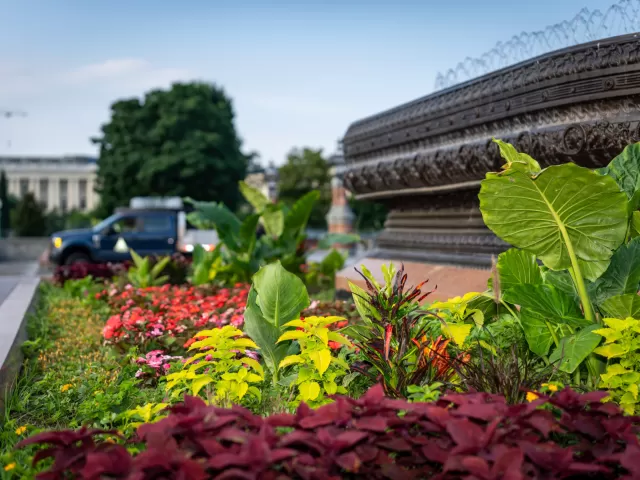
Take a stroll through our pictorial tour to experience the beauty of these unique garden beds and meet a few members of the jurisdiction's Gardening team that work hard year-round to keep the Capitol campus looking beautiful.
Highlight
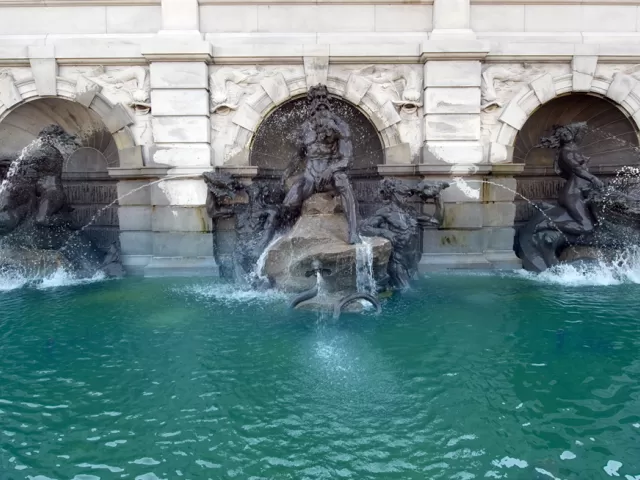
Passersby enjoy the play of the jets of water on the majestic, bearded and muscular king of the sea; his sons the tritons blowing conches; the frolicking, horseback-riding Nereids (sea nymphs); and the water-spouting turtles, frogs and sea serpent, placed in front of a grotto-like wall. The tritons
Project
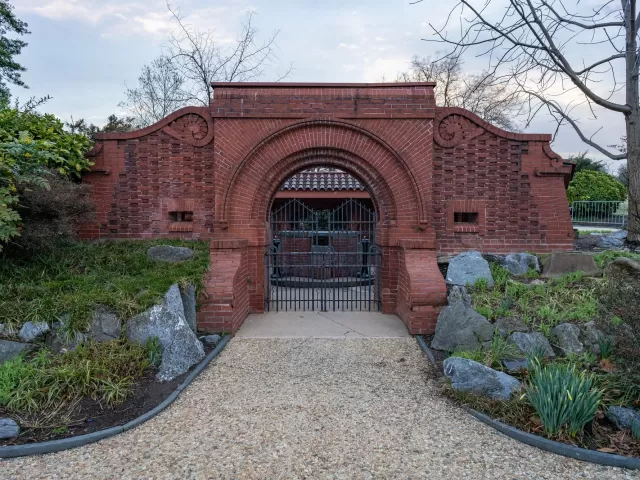
The Architect of the Capitol's repair of the Summerhouse included renovation of the fountain and surrounding landscape, as well as additional landscape improvements to the grotto and surrounding planting beds.
Place
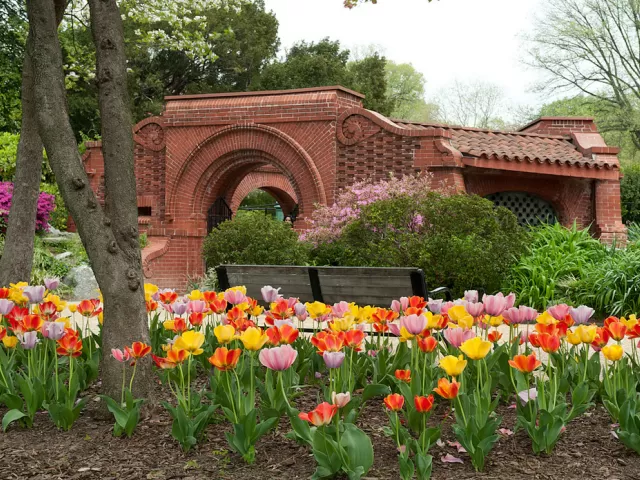
The fountain in the center of the building originally provided drinking water piped from a spring. The six small metal fittings around the fountain's upper perimeter secured chains that are believed to have held drinking cups or ladles. Three individual drinking fountains connected to the filtered city water supply now provide drinking water, and the central fountain is used only for display. The water supply for the grotto was originally provided by a runoff stream from a drinking fountain at the Capitol's west entrance. Later, a city-water stream was made to flow …
Construction on the Summerhouse began in 1879 and was completed in late 1880 or early 1881 by landscape architect Frederick Law Olmsted.
Place
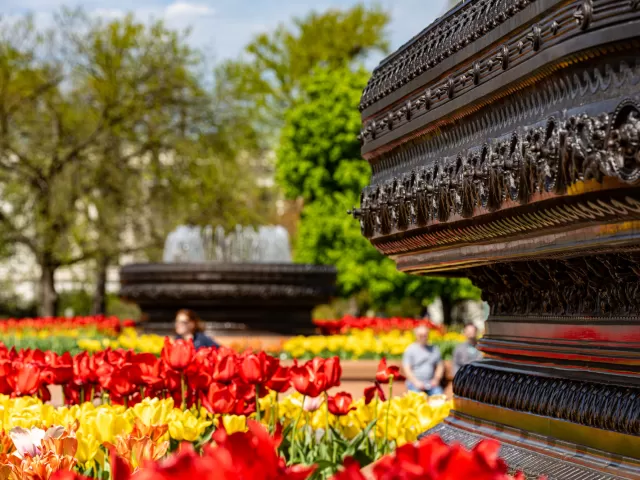
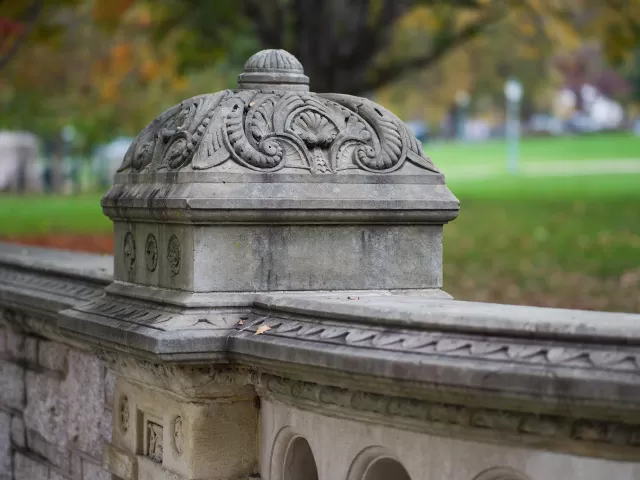
Some of Olmsted's significant hardscape elements can be found on the East Front plaza of the U.S. Capitol . Restoration and modernization work was completed as part of the building of the Capitol Visitor Center . The fountains and lanterns are fully modernized , and new technologies, such as the fountain's water pressure levels, are tied to an anemometer that lowers the water pressure as winds rise. The terrace walls that wrap around the Capitol to the north, west and south are constructed largely of Lee Massachusetts …
In 1874, Frederick Law Olmsted was charged with devising a comprehensive landscape scheme for the U.S. Capitol. Olmsted's major concern was the visual presentation of the Capitol Building and the support of its daily functions.
Public Notice
Article
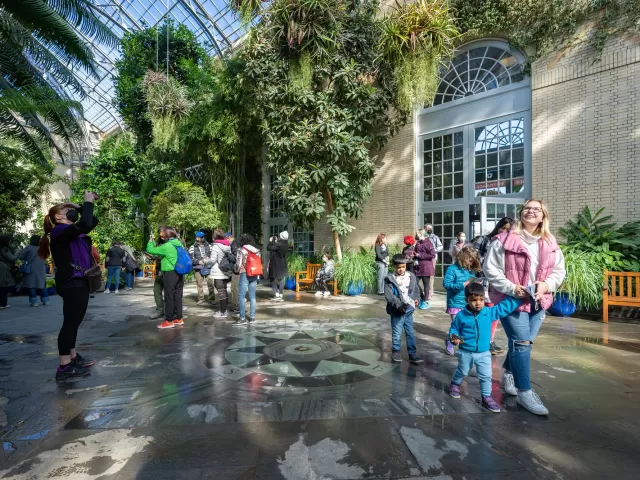
The United States Botanic Garden (USBG) Conservatory reopened to the public today, April 1, marking a full reopening of all areas of the USBG.
History & Discoveries
Article
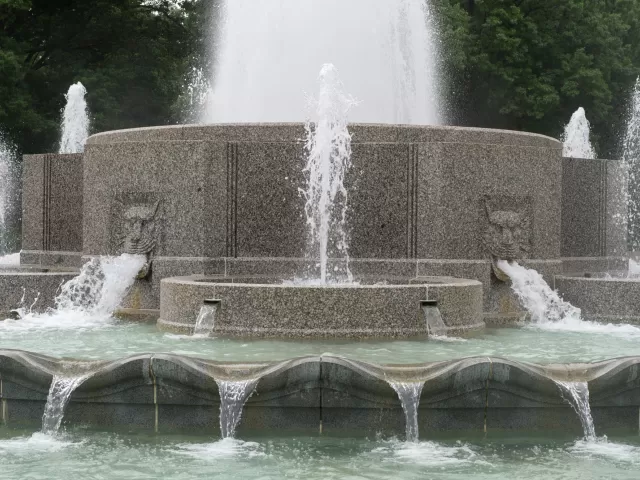
By Sarah Davis | June 20, 2018 History & Discoveries Calm and Collected Waters Fountains and formal pools of water abound on the U.S. Capitol campus in Washington, D.C. These small areas of urban "blue space" may provide other benefits though, including mental tranquility and Summer officially starts this week and the weather in Washington, D.C., is getting warmer. While water features …
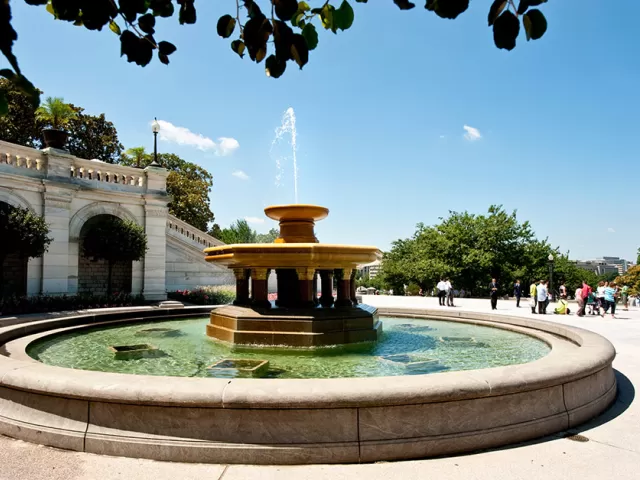
Summer officially starts this week and the weather in Washington, D.C., is getting warmer. While water features on the U.S. Capitol campus look cool and refreshing, they aren't designed for humans to play in. These small areas of urban "blue space" may provide other benefits though, including mental
History & Discoveries
Article
3 ... Image The fountain consists of three separate components: the main basin, lower level basins and the reflecting pool. From the basin, the water is piped underground to three sculpted stone bubbler fountains in the north wall of the terrace. From there the water is again piped underground to the lower level of the reflecting pool. 6 ... Image Number of lion-head spouts on the faces of the hexagon main basin. Water streams into a large circular basin with a scalloped stone rim, over which water spill …
One of the overlooked gems on Capitol Hill, the Senate fountain, is nestled between Union Station and the U.S. Capitol, atop the Senate upper park. A hexagonal granite monolith with high jets of water spouting from its center, the Architect of the Capitol received authorization for its construction
Basic page
Image Summer at the U.S. Capitol Summer in Washington, D.C. brings heat, humidity and families on vacation. Across the Capitol campus, visitors can find relief in the cool shade of thousands of trees and aquatic inspiration from more than 20 water features. What can visitors see and do in summer? Fountains Although the water features maintained by the Architect of the Capitol (AOC) are not designed for humans to recreate in, several crowd-pleasing pools of cool are located near the U.S. Capitol including the Capitol Reflecting Pool , Senate Park fountain , the Court of Neptune and the U.S Botanic …
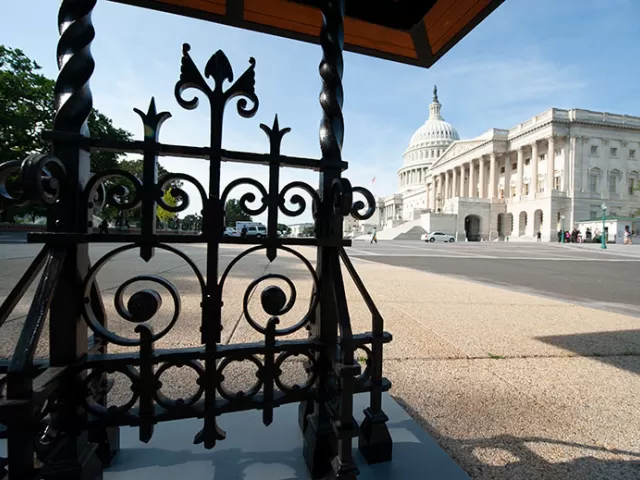
Summer in Washington, D.C. brings heat, humidity and families on vacation. Across the Capitol campus, visitors can find relief in the cool shade of thousands of trees and aquatic inspiration from more than 20 water features.
History & Discoveries
Article
Botanic Garden have some type of fountain or pool. Popular water features near the U.S. Capitol include Bartholdi Fountain , Capitol Reflecting Pool , Senate Park fountains and the Neptune Fountain , but below are eight others to know around the campus. 1. Skylight Reflecting Pools On the Capitol Building 's east front plaza, two identical pools are installed. The center of each acts as a glass skylight for the Capitol Visitor Center complex located beneath. Image …
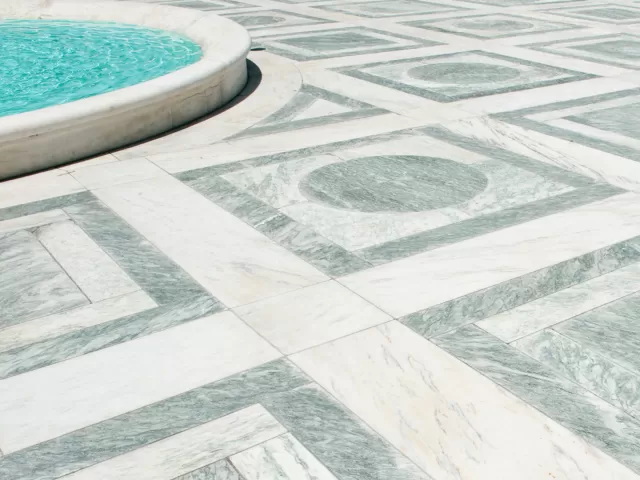
There are more than 20 water features that Architect of the Capitol employees care for. Spanning across the Capitol campus, each of the House office buildings, Senate office buildings, Library of Congress buildings, Supreme Court buildings and the U.S. Botanic Garden have some type of fountain or
Place
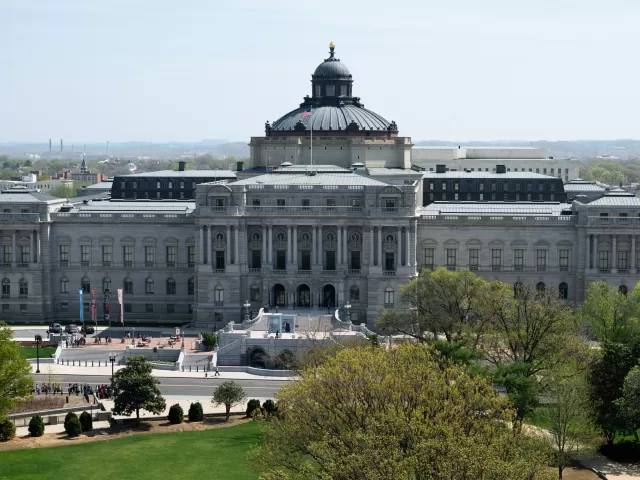
The Library of Congress began in 1800 with a small appropriation to buy reference books and was originally housed in the U.S. Capitol's west center building.
Behind the Scenes
Article
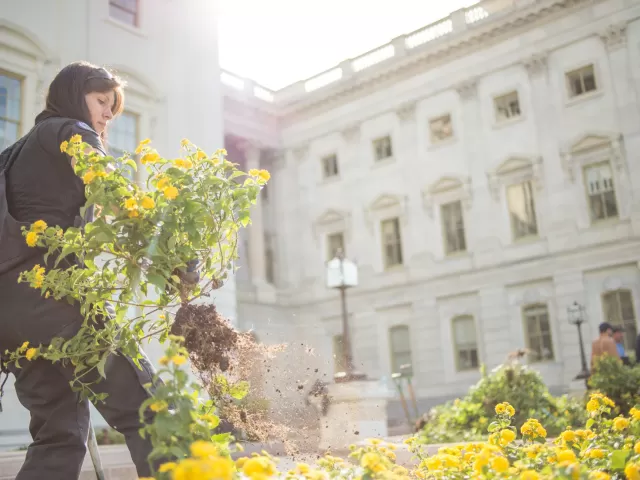
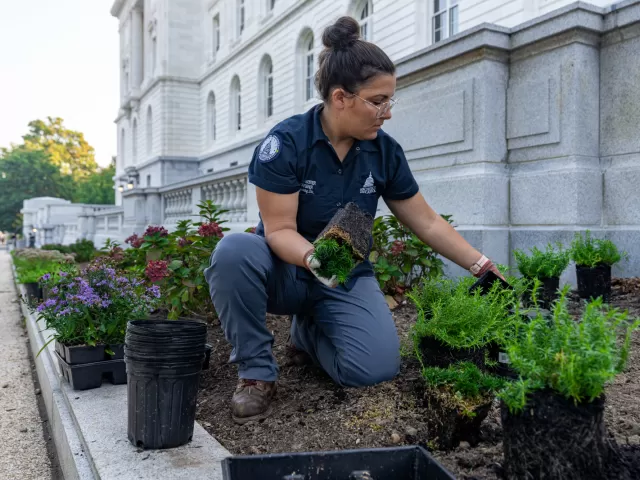
"Our gardeners pull, till and amend more than 160 flower beds and plant springtime bulbs. Our maintenance shop is busy hauling materials for the gardeners, cleaning and making repairs to fountains, and servicing the Capitol Reflecting Pool . And our tree care specialists are preparing recently planted campus trees to not only survive cold weather but thrive in the warmer months," said Bechtol. Image Ralph LoJacono, Supervisor of the Gardening Division, is constantly watching the weather, the …
Spring is the season of new beginnings when the Earth seems to come to life again. But it is the year-round planning, preparation and hard work of the Capitol Grounds team that ensures buds bloom, vibrant colors delight and fragrant flowers excite the senses on Capitol Hill.
Programs & Events
Article
During your visit, learn about the many memorial and commemorative trees, statuary and historic fountains while reducing your carbon footprint. Image Image Image The AOC's Capitol Grounds and Arboretum team showcases environmentally friendly options of gardening including an electric bike for efficient transportation and operations. At home, try to use eco-friendly modes of transportation like walking, …
At the Architect of the Capitol (AOC), the Capitol Grounds and Arboretum team works hard to promote green and sustainable practices around the Capitol campus.
Person
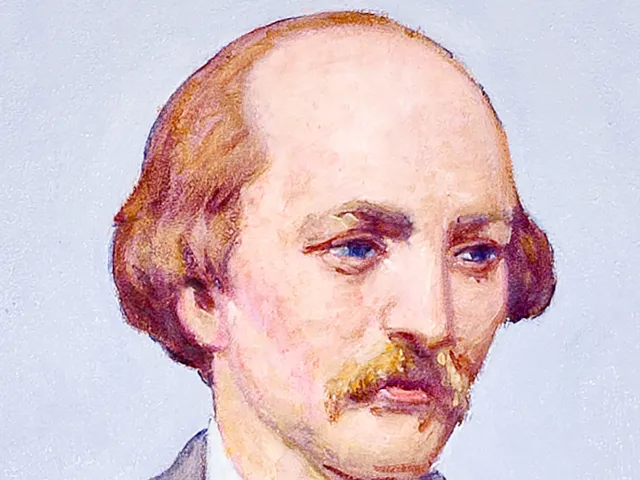
Regarded as the founder of American landscape architecture, Frederick Law Olmsted (1822–1903) is best known for designing the grounds of New York City's Central Park, the U.S. Capitol in Washington, D.C., the Biltmore Estate in North Carolina and the 1893 World's Columbian Exposition in Chicago.
Place
Many of the trees on the grounds bear plaques that identify their species and their historic significance. The eastern part of the grounds contains the greatest number of historic and commemorative trees. At the East Capitol Street entrance to the Capitol Plaza are two large rectangular stone fountains. The bottom levels now contain plantings, but at times in the past they have been used to catch the spillover from the fountains. At other times, both levels have held plantings. Six massive red granite lamp piers topped with light fixtures in wrought-iron cages and 16 smaller bronze light fixtures …
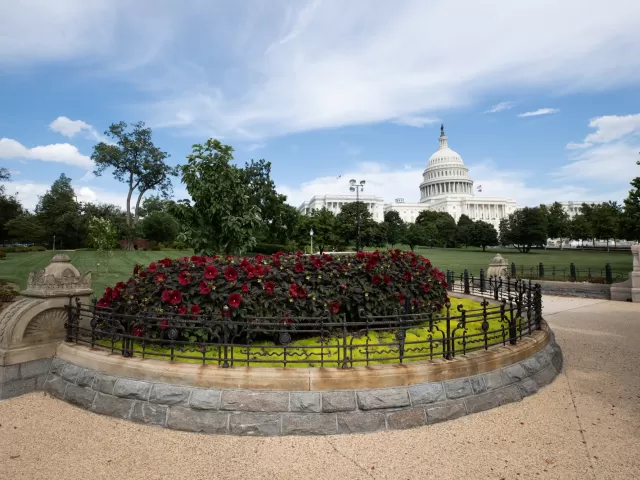
The grounds immediately surrounding the U.S. Capitol are bordered by a stone wall and cover an area of 58.8 acres. Its boundaries are Independence Avenue on the south, Constitution Avenue on the north, First Street NE/SE on the east, and First Street NW/SW on the west.
History & Discoveries
Article
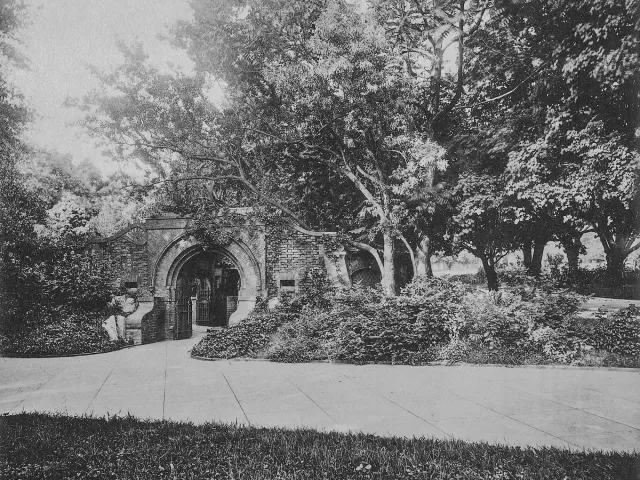
He called the fountains Olmsted built on the east side of the U.S. Capitol, "a couple of Dutch spittoons." Beck had likely seen the Summerhouse before it was blended into its surroundings. While it was under construction, the entire brick building was visible. Much of the completed structure would be covered by soil that …
Before it was cut from the budget, Olmsted had begun designing a south summerhouse; his sketches for it have been rediscovered.
Programs & Events
Article
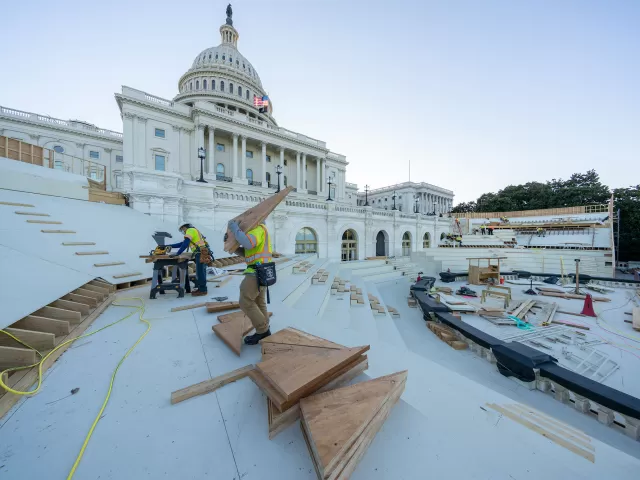
Much goes into the presidential inauguration at the U.S. Capitol. Here are a few numbers that help set the stage for this special day.