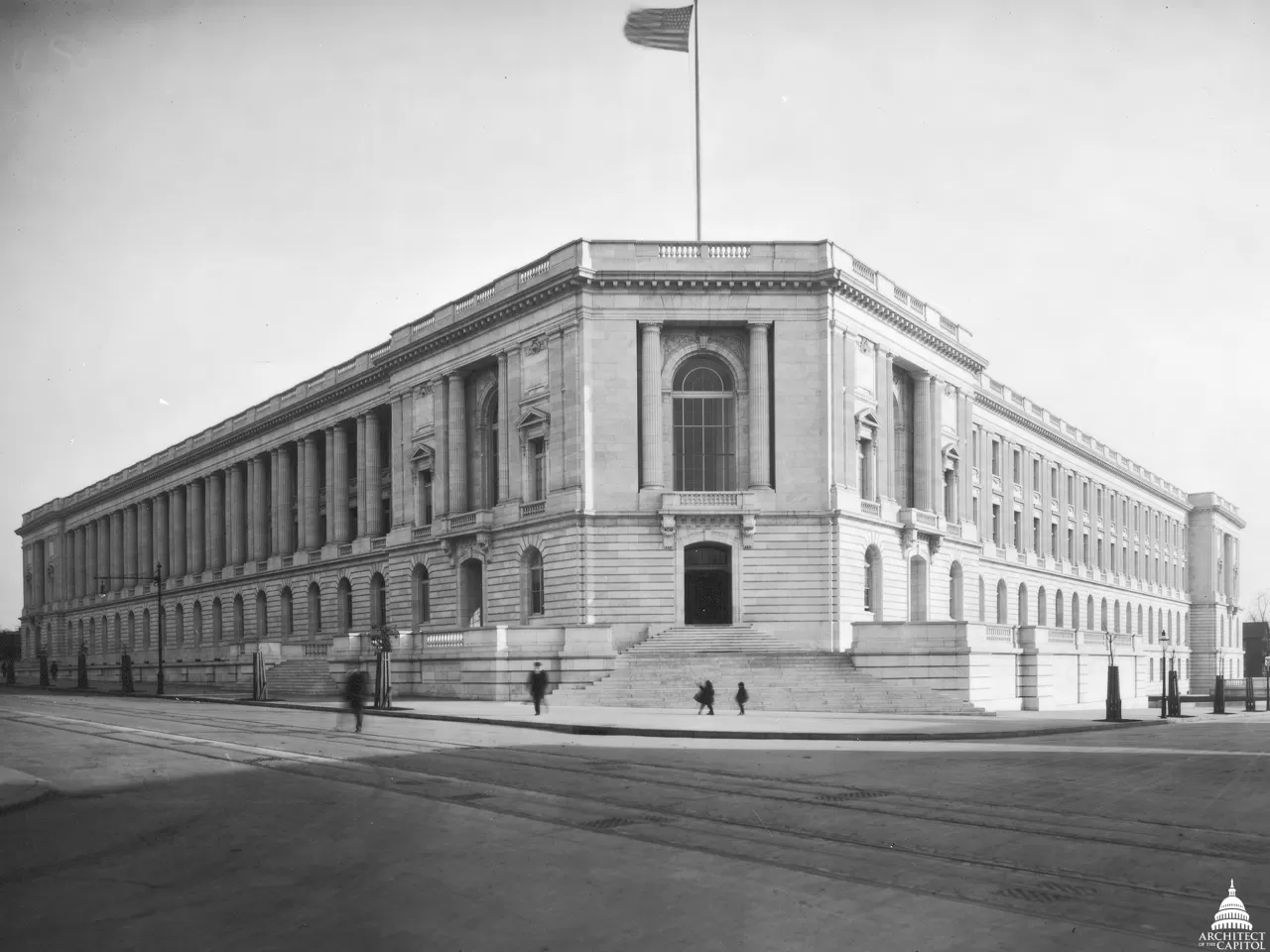
Joseph Gurney Cannon was born in 1836 in North Carolina; grew up and practiced law in Indiana; and then sett led in Danville, Illinois. His election as a Republican to the U.S. House of Representatives in 1872 began a career in Congress that spanned almost five decades. During that time, he served as chairman of three committees: Expenditures in the Post Office Department, Rules, and Appropriations. Beginning in the 58th Congress (1903–1905), he simultaneously chaired the Committee on Rules and served as Speaker of the House until 1911. In these roles, as defined by House rules, Cannon had the authority to appoint committee chairs, manage the schedule for legislation, and control the debate on the floor. Ruling the Congress with an iron fist, he earned the nicknames “Czar Cannon” and “Uncle Joe.” Viewed by many as increasingly arbitrary and capricious, his management of the House’s business inspired the “Cannon Revolt.” Members’ challenges to Cannon’s authority on the floor led to reforms in the way that the Rules Committee’s members were appointed and its chair was elected. Subsequently, the dominance of the majority party was reduced in favor of an institutionalized seniority system, and autonomous standing committees became the norm. During his last years in Congress, Cannon was regarded as an elder statesman by his party, and he was oft en referred to as “the Sage of Danville.” He retired from public life in 1923, and in March of that year he was featured on the cover of the first issue of Time magazine. Cannon died in his sleep at his Illinois home in 1926. | 
Portrait of Joseph G. Cannon Oil on Canvas by William T. Smedley, 1912 Speaker’s Lobby, U. S. Capitol Collection of the U. S. House of Representatives |