For an organization known as the Architect of the Capitol – celebrating engineers may not be without controversy. But as a communication professional, I am neutral in the timeless "battle" between these two professions. And, in truth, America's greatest buildings could not have been built without the best contributions from both – this is certainly true of the United States Capitol.

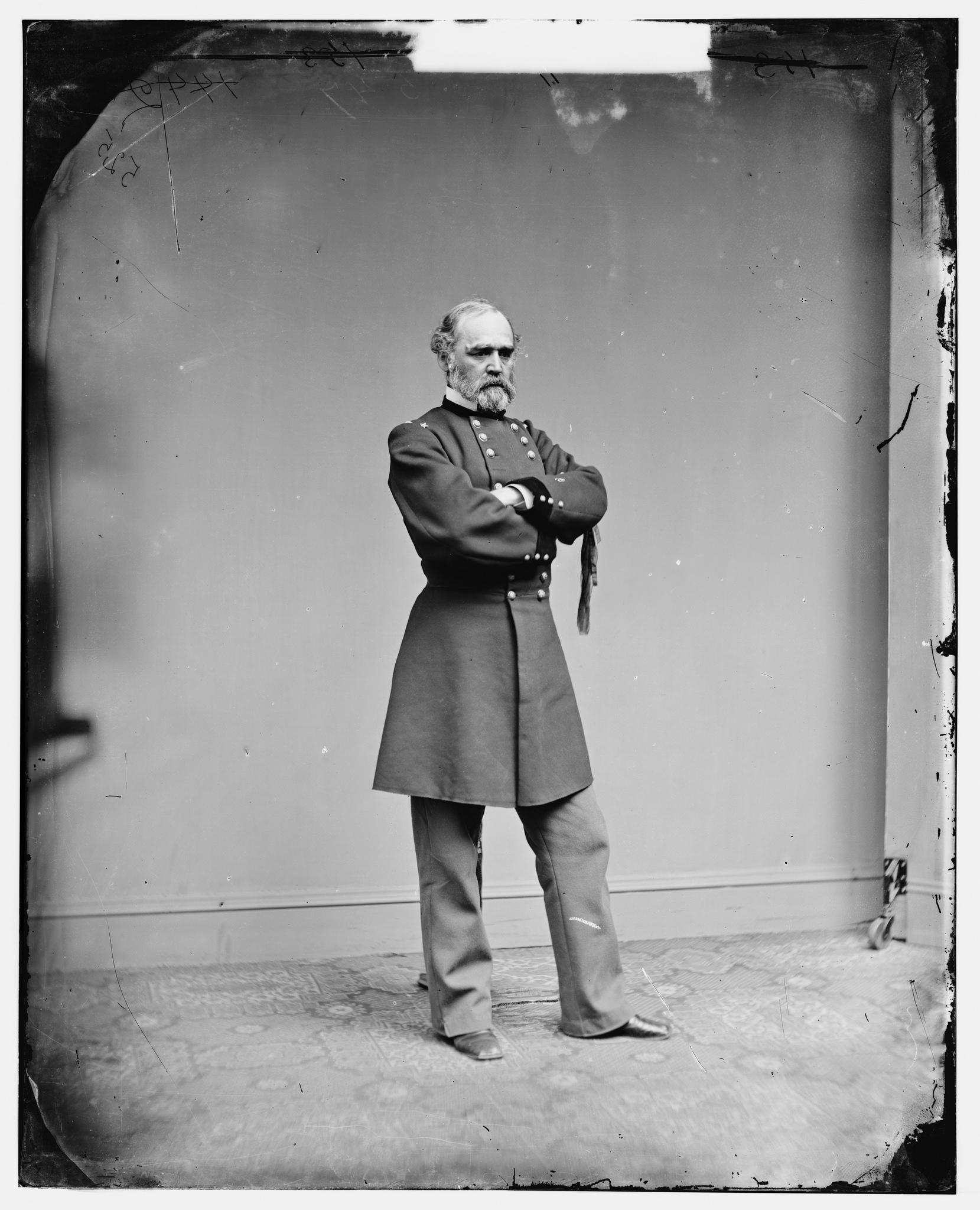
Black and white photograph of Montgomery Meigs

The celebrated architect of the Capitol Dome and founder of the American Institute of Architects (AIA), Thomas Walter, often overshadows the contributions of his contemporary colleague, partner and foil, Montgomery Meigs (pictured above). Meigs – a man who built the Capitol while helping save the Union it represents, may be America's greatest engineer. 

As Washington Post staff writer Robert O'Harrow Jr, states "Meigs may be the most important bureaucrat in American history, a desk jockey who built the war machine that crushed the Confederacy. He also left behind another legacy — of technical ingenuity, humanity, love of art and belief in Washington, D.C., as a world power — before the first shot of the Civil War was ever fired." [full Washington Post article]

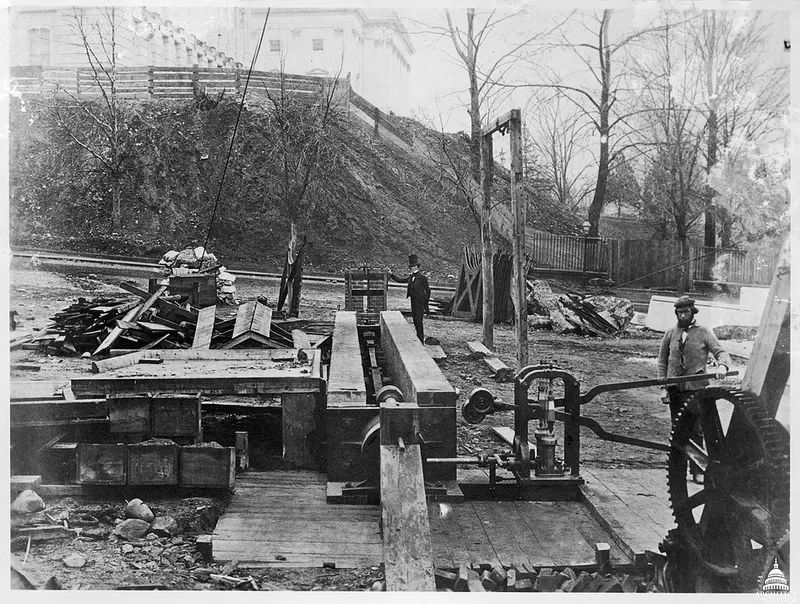
Meigs' contributions to the Capitol were both in engineering (designing the scaffold that would raise the ironwork for the Dome) and in management (he hired artist Constantino Brumidi and sculptor Thomas Crawford, designer of the Statue of Freedom). Another of his lasting legacies was his use of photography to document the construction – which may be the first use of the medium for this purpose in history.

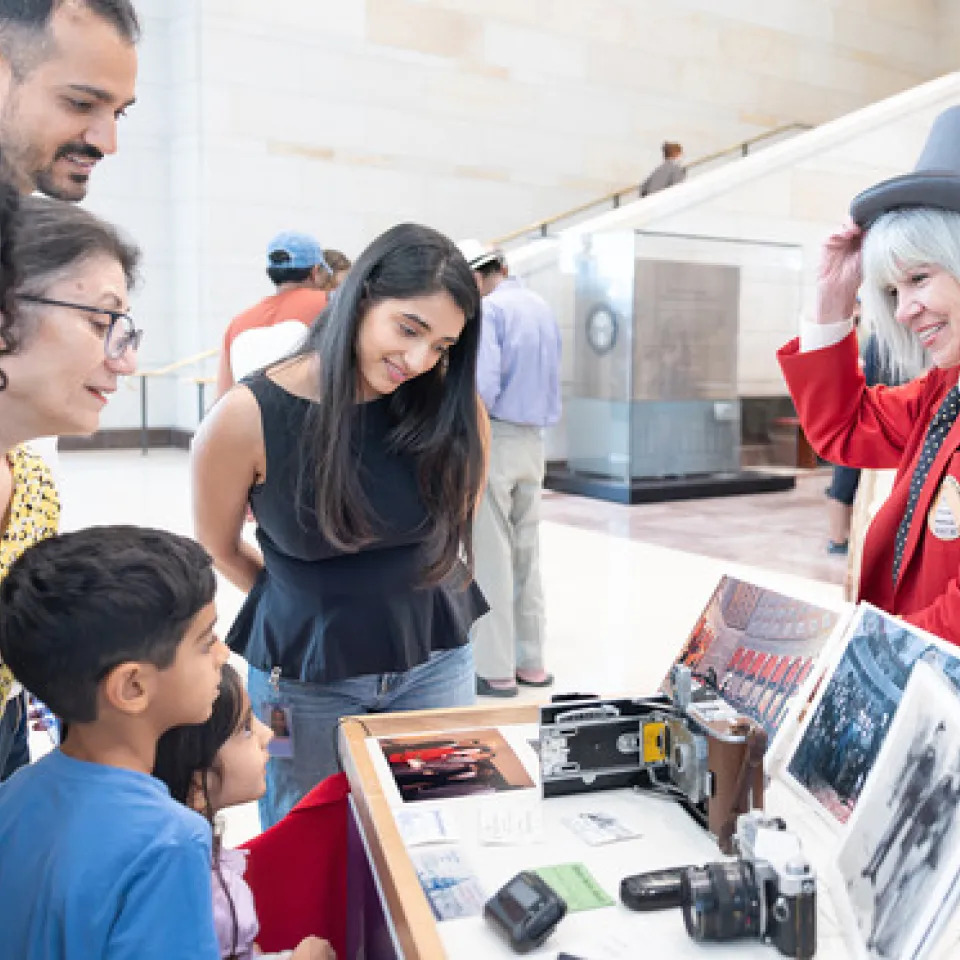
The photographs he commissioned are a national treasure, capturing a watershed moment in our history, while providing amazing insights into the construction and techniques in building the Capitol. Today, we look on these photos in awe of the achievements they documented – as engineers (and architects), photographers, curators and many other trades at the Architect of the Capitol work today to preserve and restore the legacy of our predecessors.

Following his work at the Capitol, President Lincoln appointed Meigs quartermaster general of the Union Army, where his logistical achievements have been credited in playing a major role in the Union’s victory of the Civil War. Following the war Meigs would go on the establish Arlington National Cemetery, where he now rests.

Working under the Capitol Dome everyday, I cannot help but be amazed by the architectural and engineering achievement it took to make it possible – even more so by the period in which it was accomplished. And as my grandfather, who landed at Normandy in June 1944, and now rests at Arlington Cemetery along with Meigs and America’s other great heroes – I am proud the Architect of the Capitol works everyday to serve, preserve and inspire others in Meigs' legacy.  

Comments

Relative of Meigs. Have an amazing story of when I toured the capitol back in 1997. Was so nice to see his image over one of the conference doors at the base of the stair case that goes up to the senate auditorium. So much more to the story….truely magical for me

Add a new comment

The content of this field is kept private and will not be shown publicly.

Plain text

  • No HTML tags allowed.
  • Lines and paragraphs break automatically.
  • Web page addresses and email addresses turn into links automatically.

Our Stories

Recent Articles
History & Discoveries

Capitol Extra! Magna Carta Replica and Display

Our Curator, Dr. Michele Cohen, is in the Capitol Crypt for the Magna Carta's anniversary. This entire display was made in England by artist Louis Osman, who had also crafted the crown for the investiture of Prince Charles.
History & Discoveries

Revolutionary Paintings by John Trumbull

Our Curator takes a deeper look at the four large history paintings by John Trumbull in the U.S. Capitol Rotunda, which depict pivotal moments before, during and after the Revolutionary War. #America250