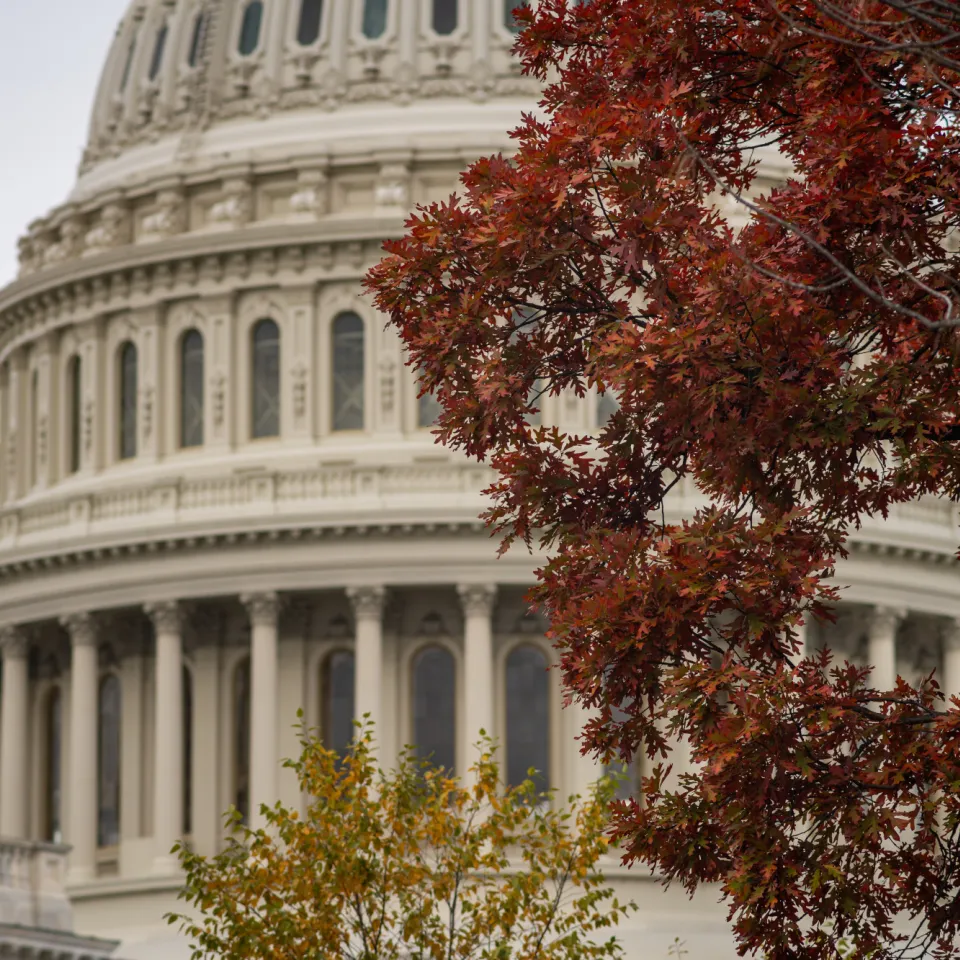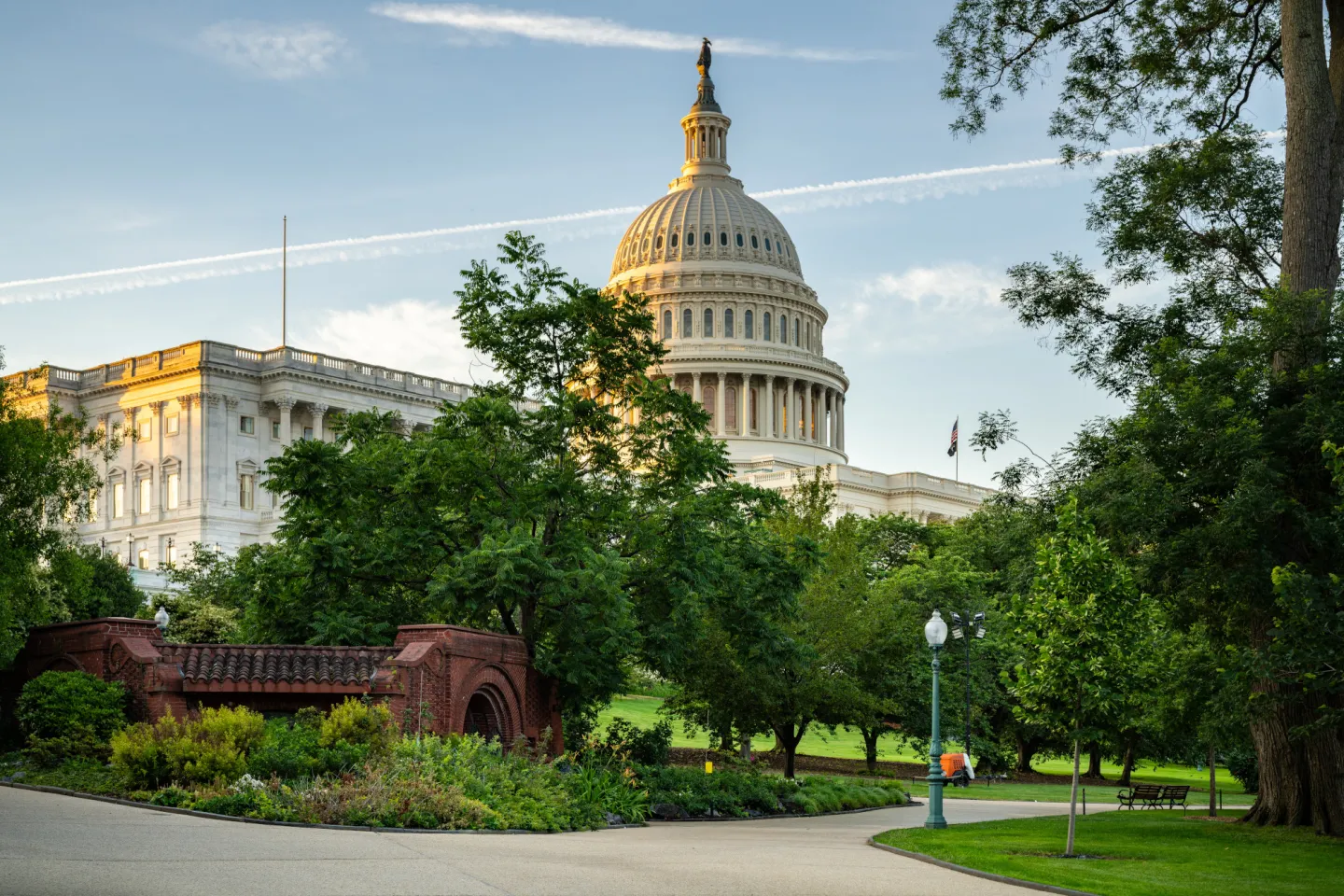
Most visitors come to the U.S. Capitol to see its iconic Dome. Few realize they're also walking through a living, breathing arboretum that quietly works to protect ecosystems, support native wildlife, and keep the campus green for all to enjoy.

Learn more about the arboretum with these five facts that show just how much is growing beneath the Capitol's famous skyline.

1. It's an officially accredited arboretum.

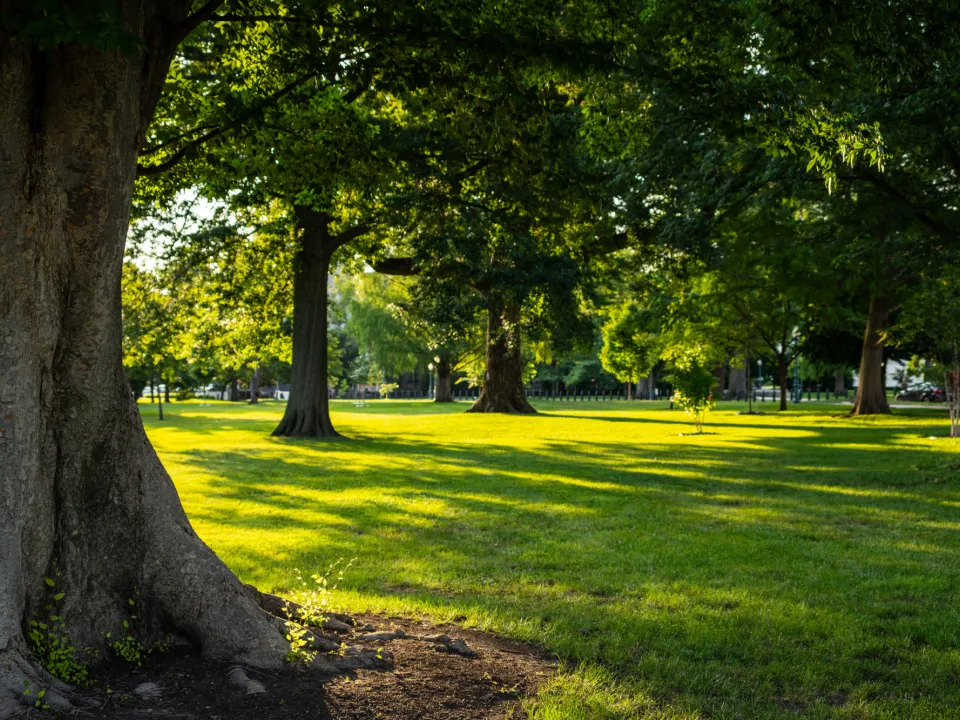
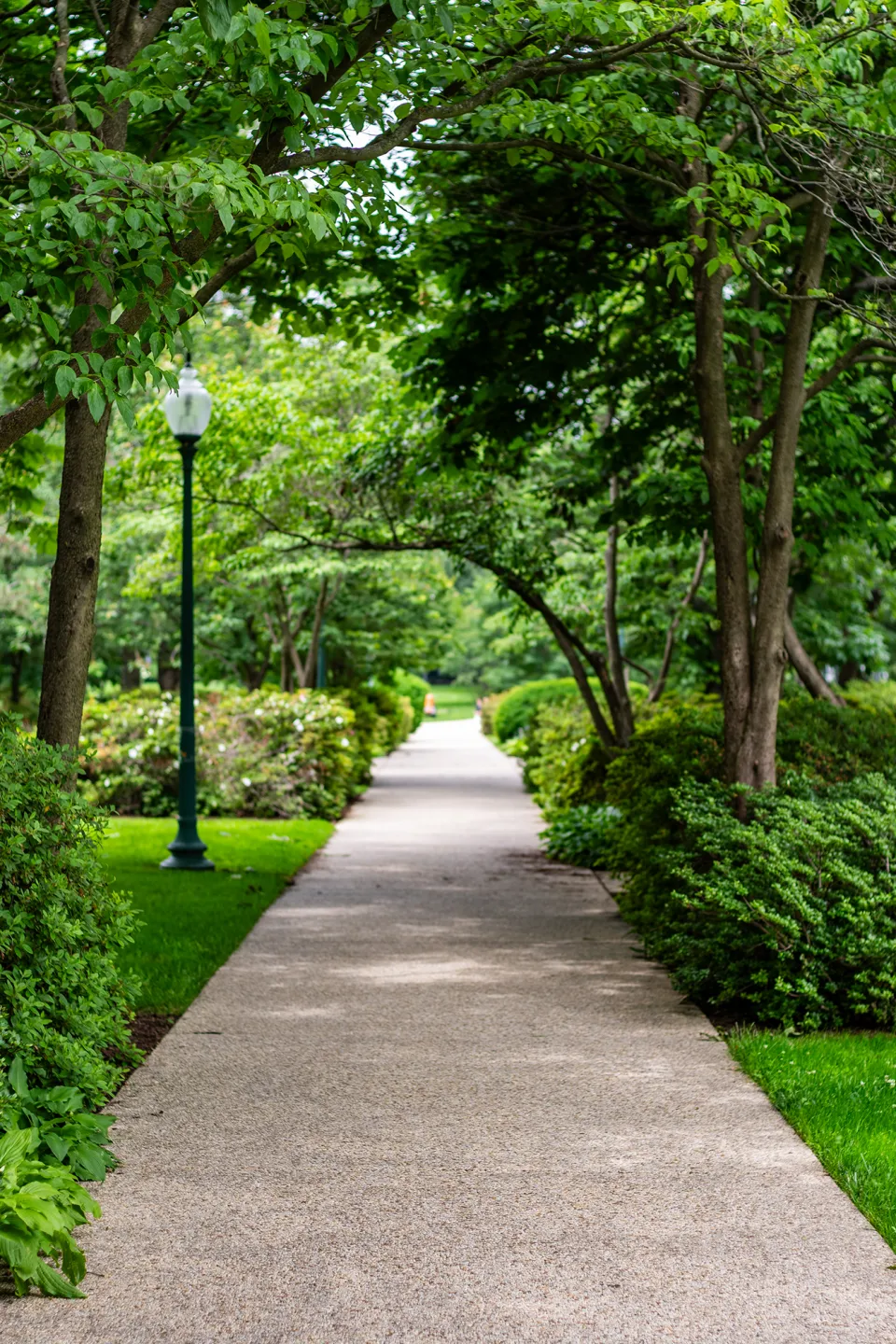
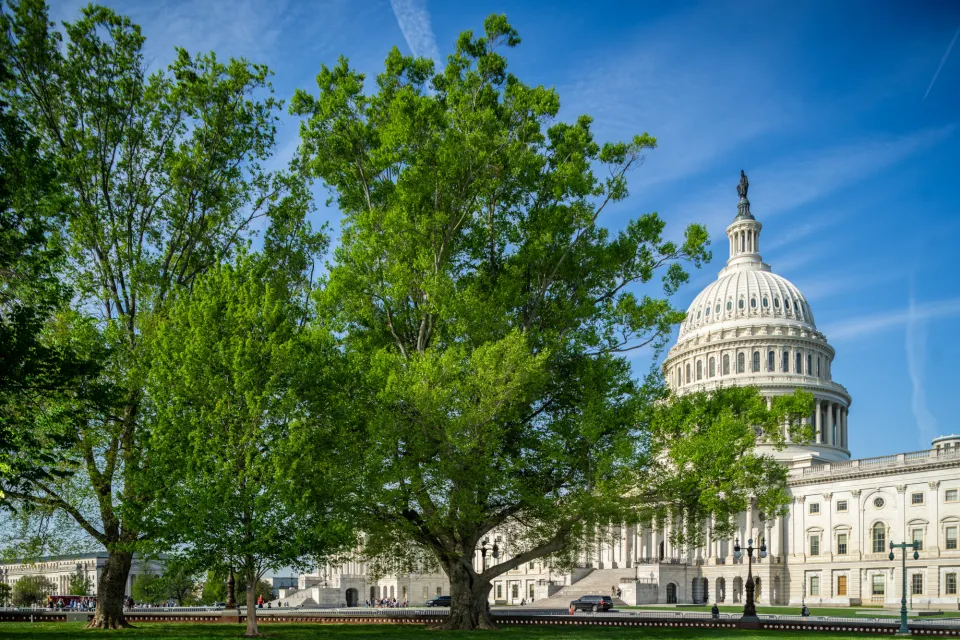
The U.S. Capitol Grounds is a Level III Accredited Arboretum recognized by ArbNet and home to more than 4,800 trees and thousands of other plants spread across the 286-acre campus. The arboretum is one of 56 globally accredited arboreta that have at least 500 woody plant taxa, practice scientific research, promote conservation, and engage in public outreach and education to protect and preserve trees.

Image
Image
Photos by
Thomas Hatzenbuhler

In planting new trees, the Architect of the Capitol's (AOC) Capitol Grounds and Arboretum team considers how the species contribute to the overall plant collections and genetic diversity in addition to the arboretum's goals of plant conservation and sustainability. Every tree is evaluated for size, hardiness and susceptibility to insects and diseases, turning the grounds into a world-class tree conservation site and resilient landscape in the heart of Washington, D.C.

2. Scores of Olmsted's original trees are still standing.

Landscape architect Frederick Law Olmsted designed the grounds in a Capitol campus expansion project performed from 1874 to 1892. Olmsted used trees heavily in his design to both frame the building and provide shade for visitors. There are about 890 trees immediately surrounding the U.S. Capitol Building, and approximately 43 of the original trees planted in 1874 remain on the grounds today.

Image
Photo by
Thomas Hatzenbuhler

When staff choose new trees, they weigh far more than looks. They evaluate genetic diversity, hardiness, disease resistance, and soil conditions, all in service of building a landscape resilient enough to face new environmental pressures while still supporting the pollinators and wildlife that depend on it. Olmsted's design still guides planting decision made on the grounds, and staff use historic records to stay true to his original vision while planning for the arboretum's future.

3. Beneficial insects do a lot of the pest control.

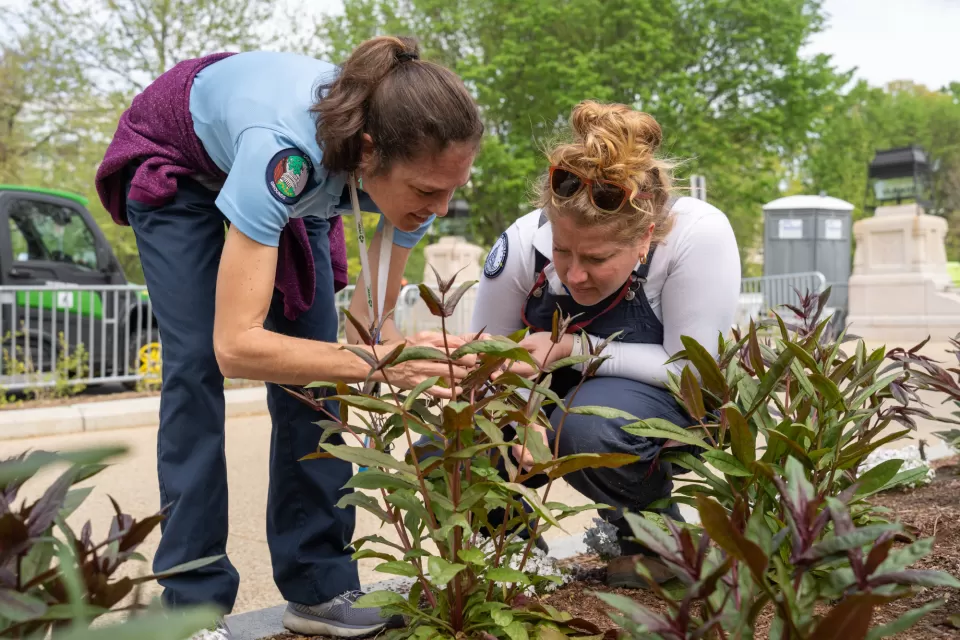
Rather than leaning on broad-spectrum pesticides, the trees and plants in the arboretum are protected by beneficial insects like green lacewings that are released by Capitol Grounds staff at certain times of the year to target pests such as the crapemyrtle bark scale.

Image
Two people crouching by a plant.
Photo by
Thomas Hatzenbuhler

The release of natural pest predators is very effective in managing invasive species because these beneficial insects attack the problem species without wiping out helpful ones. The practice protects the wider web of pollinators and predators that keep the landscape healthy.

4. Native plants are chosen to feed pollinators, not just visitors' eyes.

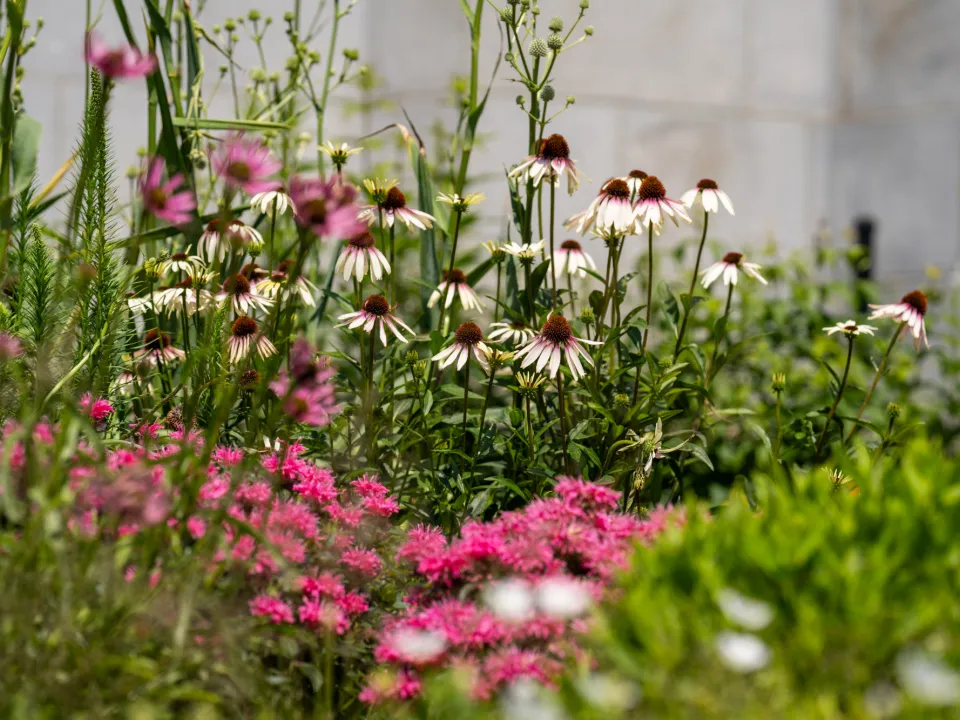
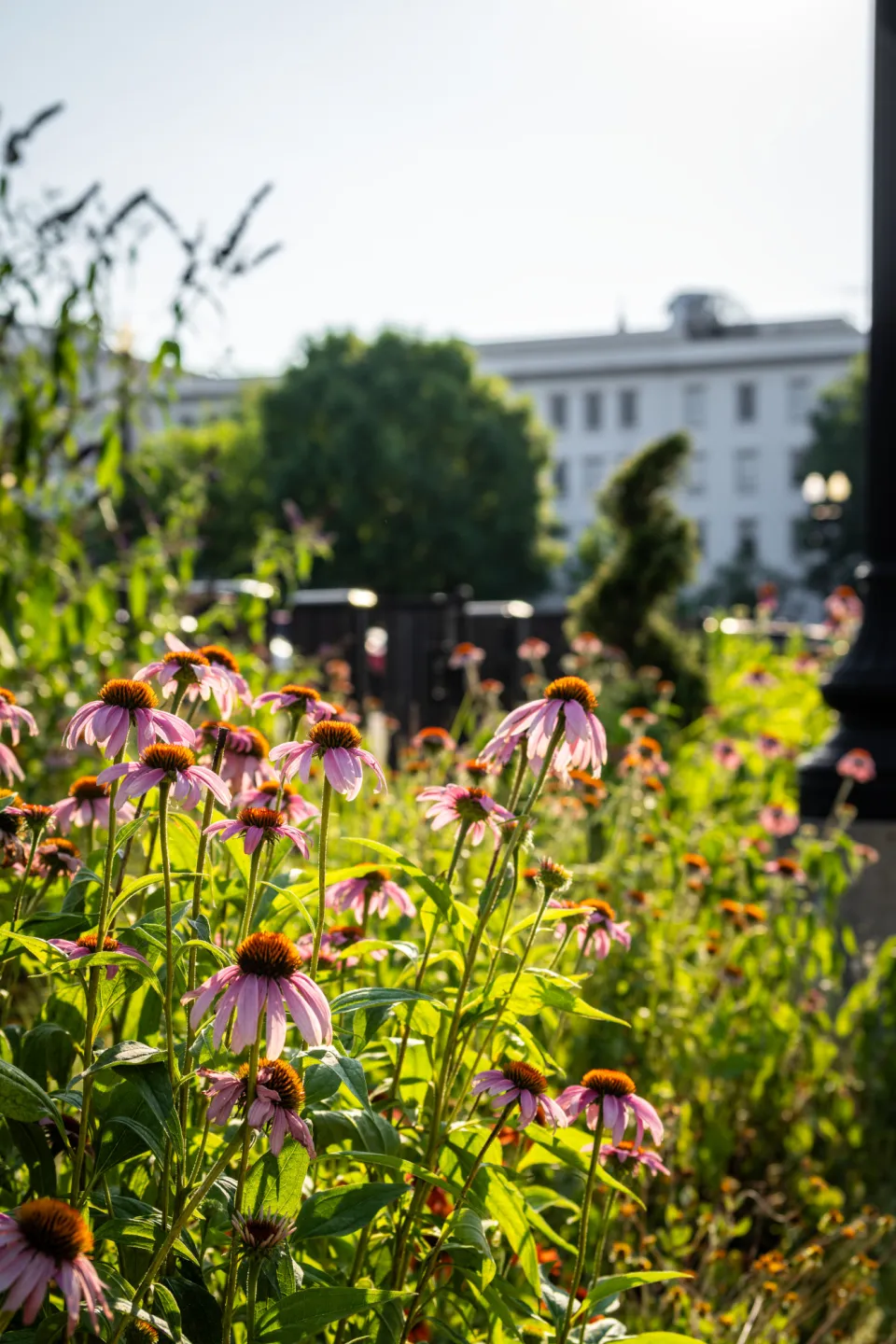
Native plants and their ecosystems are linked to the health of air, water and biological diversity. Species like beardtongue, yarrow, purple coneflower and beebalm aren't only decorative; they are selected specifically to support pollinator and beneficial invertebrate populations.

Image
Image
Pollinator plants seen near the Russell Senate Office Building and the Cannon House Office Building.
Photos by
Thomas Hatzenbuhler

An ethnobotanical garden installed at the Russell Senate Office Building in 2024 further highlights native species, providing pollinators with habitat in the middle of a dense urban landscape.

5. A small retreat is hidden among the trees.

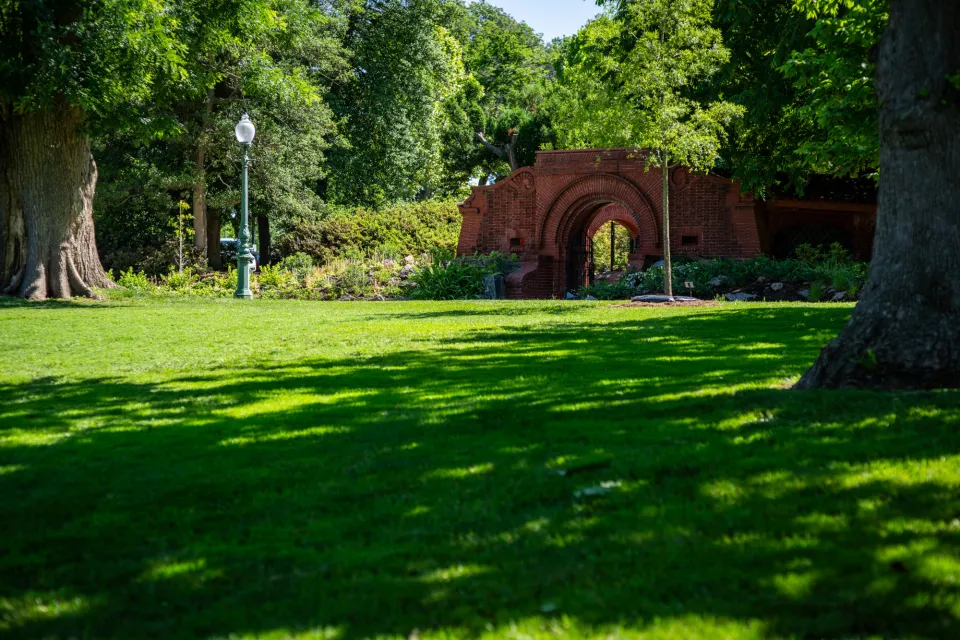
Olmsted was careful not to group trees or other landscape features in any way that would distract the viewer from the U.S. Capitol, however, a hexagonal brick structure, named the Summerhouse, was included in Olmsted's design in response to complaints that visitors to the U.S. Capitol could not find water or a place to rest on their journey. Construction on the Summerhouse began in 1879 and was completed in late 1880s.

Image
Photo by
Thomas Hatzenbuhler

Olmsted originally planned two Summerhouses for the U.S. Capitol Grounds (references in two of his letters identify a northern and a southern Summerhouse); however, congressional objections to the northern Summerhouse before its completion prevented the construction of the southern one.

Next time you're near the U.S. Capitol, take time to walk around the arboretum and notice the trees, garden beds, and busy pollinators doing quiet, important work: preserving a 150-year-old landscape while keeping it alive for the future.

Add a new comment

The content of this field is kept private and will not be shown publicly.

Plain text

  • No HTML tags allowed.
  • Lines and paragraphs break automatically.
  • Web page addresses and email addresses turn into links automatically.

Our Stories

Recent Articles
Public Notice

What's Happening at the Capitol In October

Upcoming tours and student programs provided by the U.S. Capitol Visitor Center. Highlights include in person, online and homeschool opportunities designed by the Capitol Visitor Center's Education team.

Public Notice

What's Happening at the Capitol In August

Upcoming programs, tours and online experiences, provided by the U.S. Capitol Visitor Center. Highlights include a celebration of the U.S. Capitol Guide Service and a focus on America in the 1800s.