As the COVID-19 pandemic unfolded, Architect of the Capitol (AOC) staff began working through the protocols we needed to keep our employees, members, staff and visitors safe.

Resources were created and distributed to keep everyone informed of the changing environment. These resources include our Pandemic Operations Plan, which provides an in-depth look at the new normal, frequently asked questions for employees to navigate the pandemic, and new cleaning protocols implemented to help prevent the spread of COVID-19.

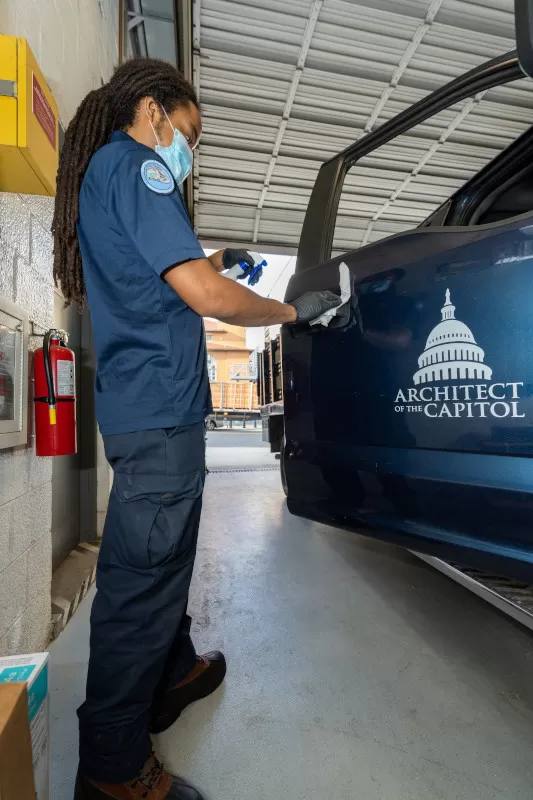
Here are a few photos that showcase these important cleaning protocols for vehicles, tools and office spaces.

Image
Robert Hollins cleans high-touch surface areas and work spaces in the Library of Congress buildings.
Image
Roger Hall cleans high-touch surface areas and work spaces in the Library of Congress buildings.
Image
Robert Hollins and Roger Hall clean high-touch surface areas and work spaces in the Library of Congress buildings.
Robert Hollins (top left & bottom left) and Roger Hall (right & bottom left) clean high-touch surface areas and work spaces in the Library of Congress buildings.


Image
Richard Caselman completes the COVID-19 cleaning protocols for AOC vehicles.
Image
Frank Bussler completes the COVID-19 cleaning protocols for AOC vehicles.
Image
Anthony Littlejohn completes the COVID-19 cleaning protocols for AOC vehicles.
Richard Caselman, Frank Bussler and Anthony Littlejohn (clockwise from top left) complete the COVID-19 cleaning protocols for AOC vehicles.

Add a new comment

The content of this field is kept private and will not be shown publicly.

Plain text

  • No HTML tags allowed.
  • Lines and paragraphs break automatically.
  • Web page addresses and email addresses turn into links automatically.

Our Stories

Recent Articles
Public Notice

What's Happening at the Capitol In August

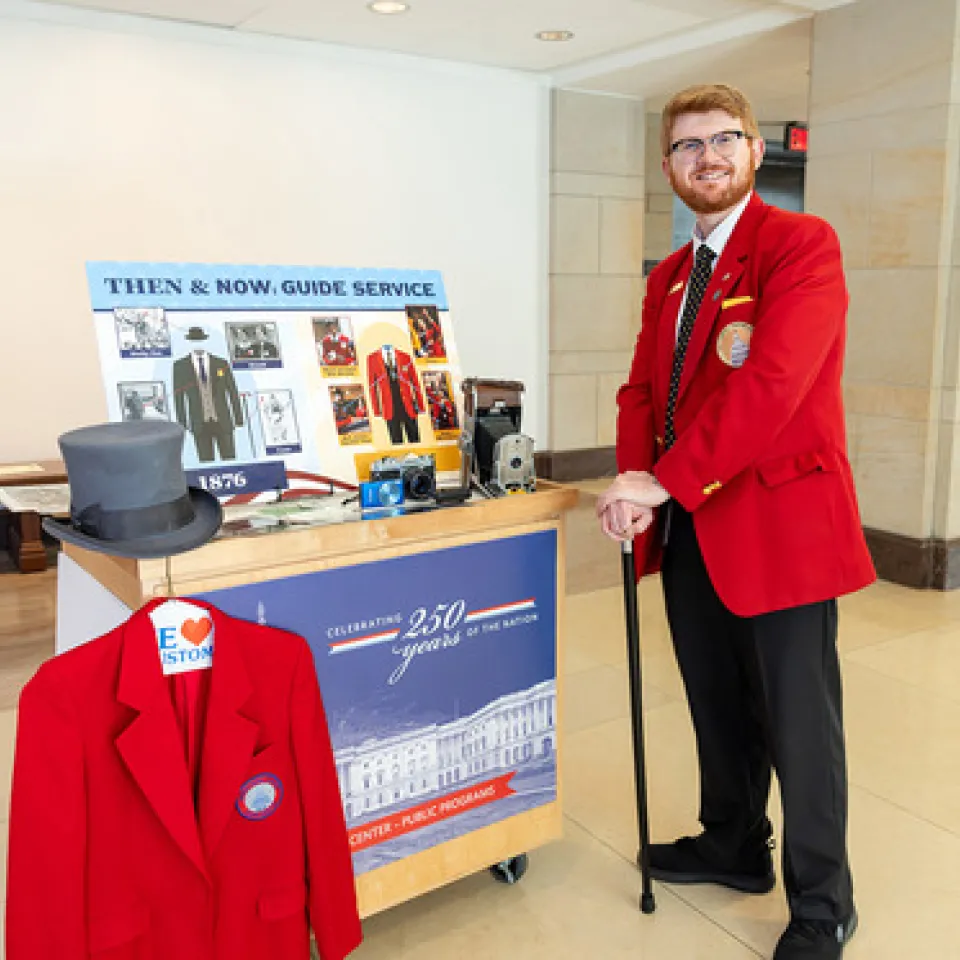
Upcoming programs, tours and online experiences, provided by the U.S. Capitol Visitor Center. Highlights include a celebration of the U.S. Capitol Guide Service and a focus on America in the 1800s.