Image Gallery
Image
Image
Grounds Features
Nearby Trees
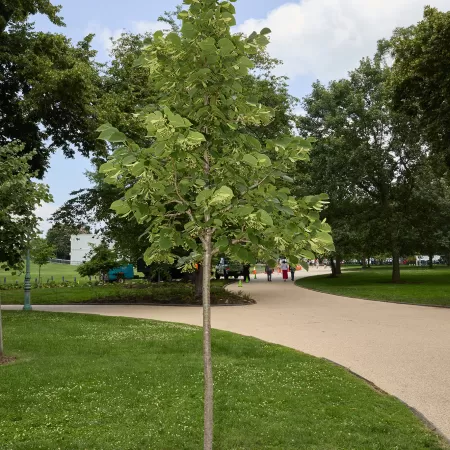

Quercus petraea
2016
Capitol Square, S.W.
U.S. Capitol Grounds
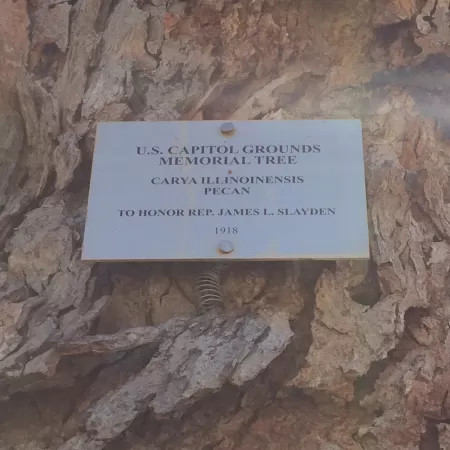
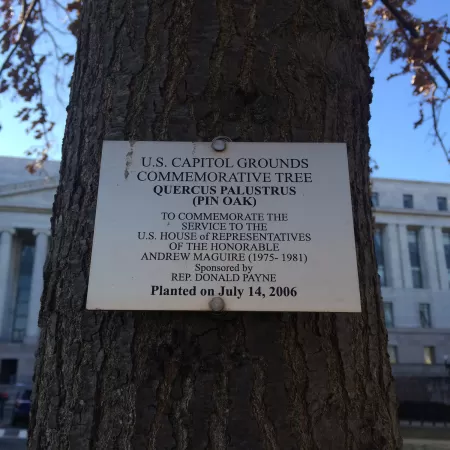
Quercus palustris
2006
Capitol Grounds, S.W.
U.S. Capitol Grounds
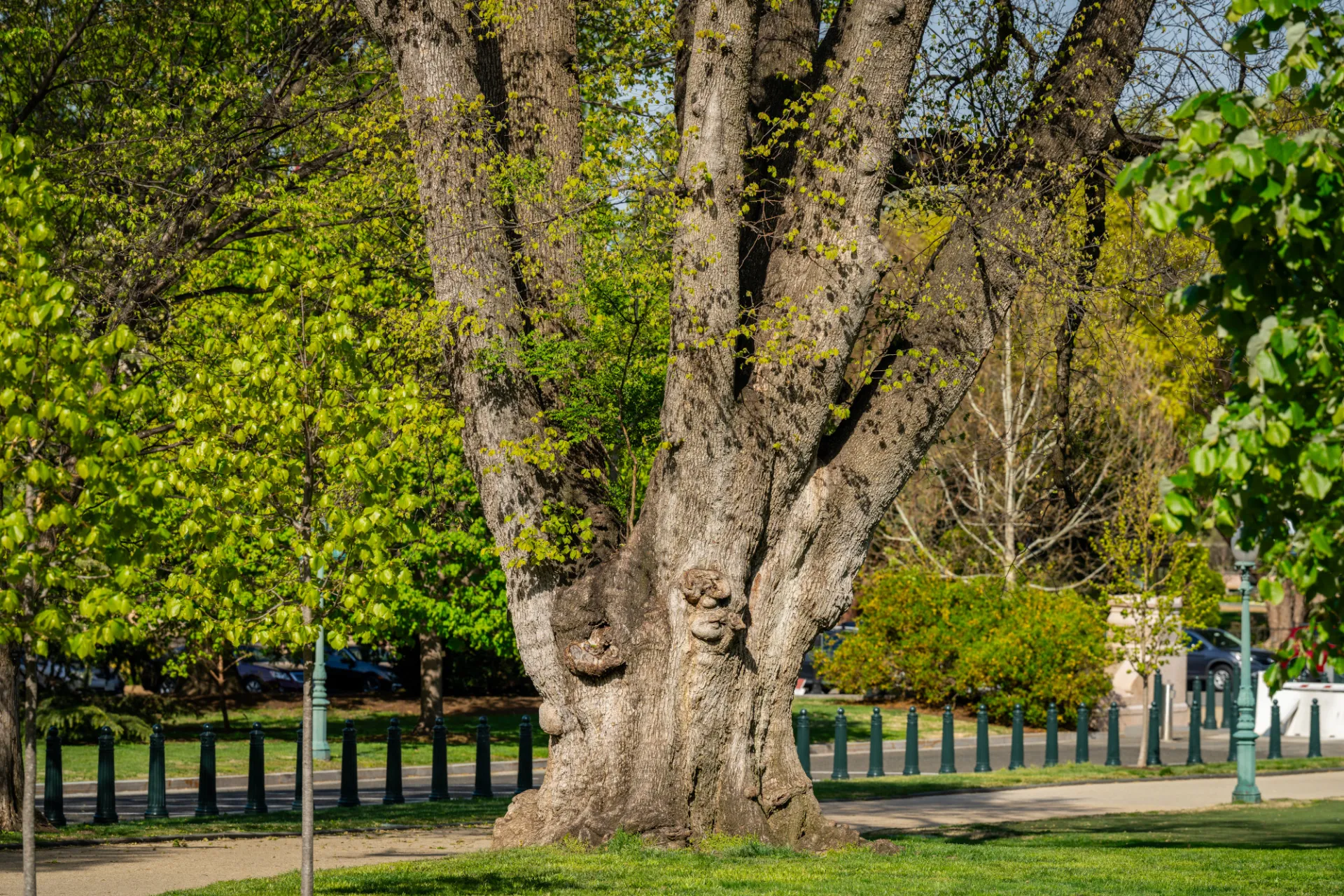
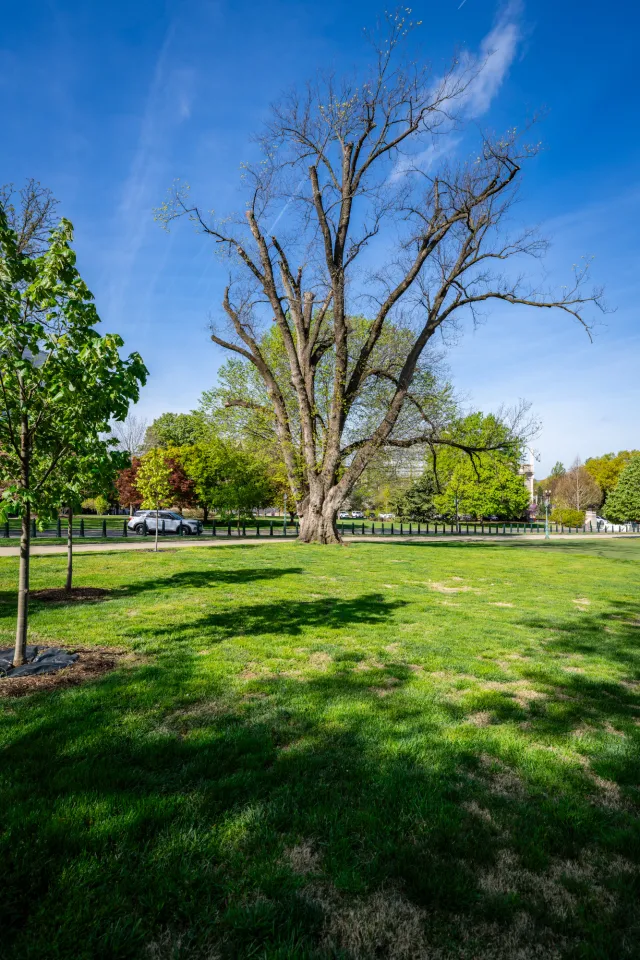
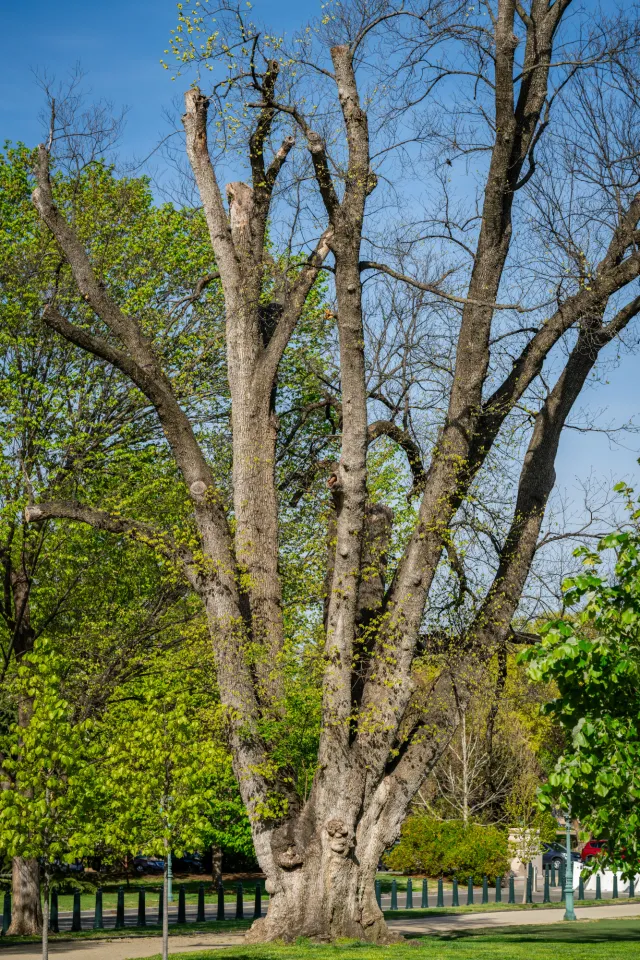
Native to Europe and western Asia, the Wych elm is one of the largest and hardiest elm species, often growing in rugged, high-altitude environments. It has broad, serrated leaves with a rough texture, and its twigs often have a characteristic zig-zag growth pattern. Unlike other elms, it does not develop a vase-shaped crown but instead has a broad, spreading form. It produces early spring flowers followed by winged seeds called samaras.
Though highly susceptible to Dutch elm disease, isolated populations and resistant cultivars have allowed some to persist in landscapes. Historically, its strong, flexible wood was used in shipbuilding and furniture-making.
There is one original Wych elm tree still living on the U.S. Capitol campus today.
Landscape architect Frederick Law Olmsted's 1874 General Plan for the U.S. Capitol Grounds sought to create a setting to accentuate the monumentality of the Capitol Building. Approximately 45 of Olmsted's trees remain today, having endured more than a century of urban life on the front stage of American democracy.
Each tree has its own unique features and preservation challenges, and the Architect of the Capitol's arborists employ industry best management practices to ensure these trees are given the very best care to remain safely in the landscape for current and future generations to enjoy.