Displaying 301 - 330 of 496 Clear

Highlight
This tablet marks the first meeting place of the House of Representatives in the Capitol.


Highlight
When the Capitol's centennial was celebrated in 1893 it was decided to place a bronze tablet to mark the cornerstone's approximate location.

Highlight
This plaque identifies specific troops quartered in the United States Capitol during the 1800s.


Highlight
Memorial plaque honoring two members of the U.S. Capitol Police who died in the line of duty.

Highlight
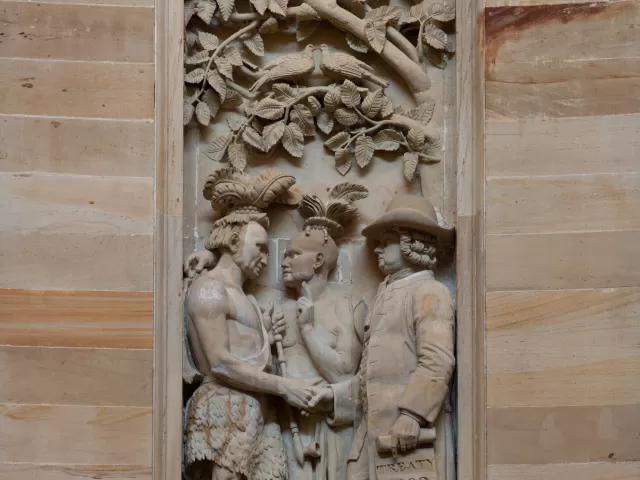
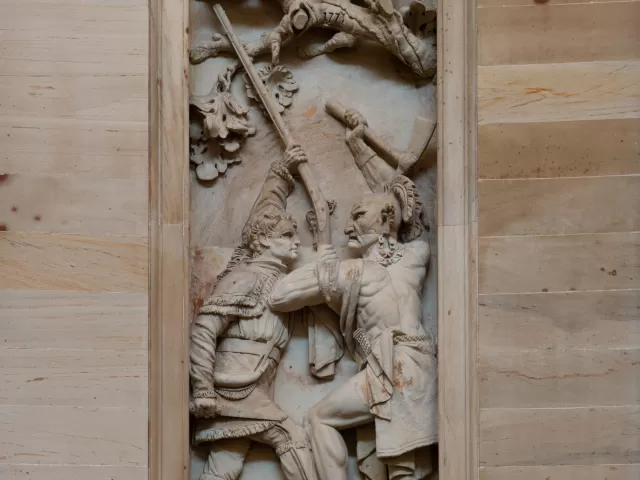
Above each of the four Rotunda doors in the U.S. Capitol are scenes from the history of the American Colonies carved in relief into the sandstone walls. The three sculptors who decorated the Rotunda were employed during the rebuilding of the Capitol after the fire of 1814. Between the historic

Highlight
Above each of the four Rotunda doors in the U.S. Capitol are scenes from the history of the American Colonies carved in relief into the sandstone walls. The three sculptors who decorated the Rotunda were employed during the rebuilding of the Capitol after the fire of 1814. Between the historic
Highlight
Above each of the four Rotunda doors in the U.S. Capitol are scenes from the history of the American Colonies carved in relief into the sandstone walls. The three sculptors who decorated the Rotunda were employed during the rebuilding of the Capitol after the fire of 1814. Between the historic
Highlight
Above each of the four Rotunda doors in the U.S. Capitol are scenes from the history of the American Colonies carved in relief into the sandstone walls. The three sculptors who decorated the Rotunda were employed during the rebuilding of the Capitol after the fire of 1814. Between the historic
Highlight
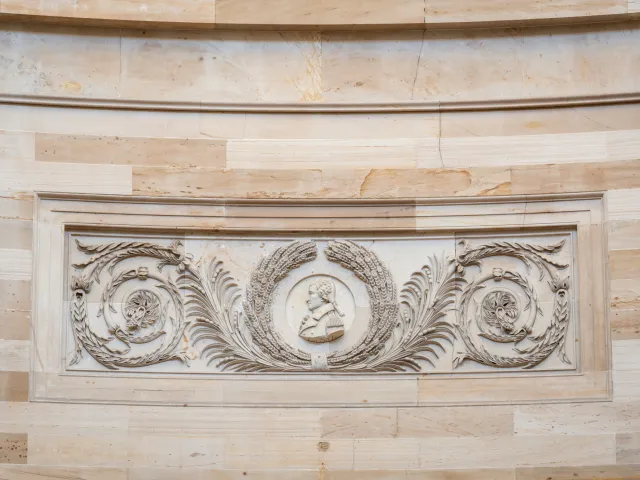
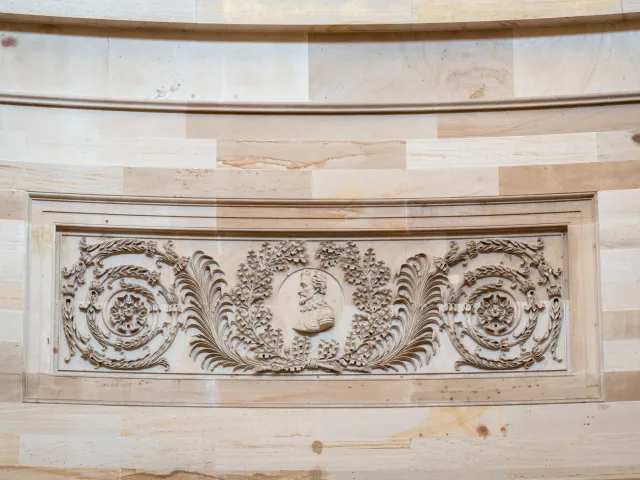
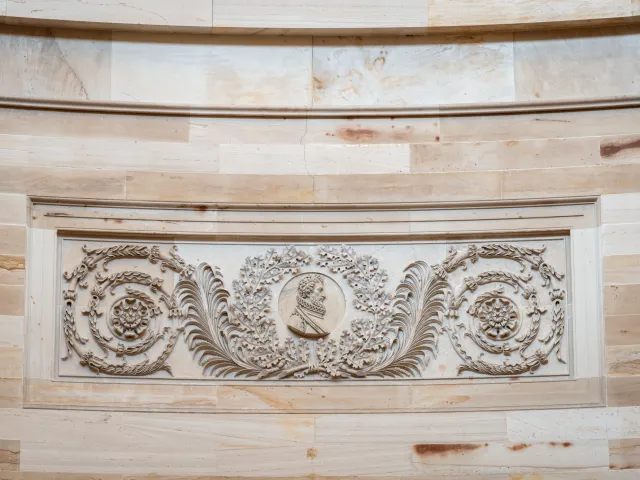
Above four of the large paintings in the U.S. Capitol Rotunda are decorative panels of wreaths and portraits of early explorers carved in relief into the sandstone walls. Between the panels and portraits, historic scenes also in relief circle the Rotunda walls.
Highlight
Above four of the large paintings in the U.S. Capitol Rotunda are decorative panels of wreaths and portraits of early explorers carved in relief into the sandstone walls. Between the panels and portraits, historic scenes also in relief circle the Rotunda walls.
Highlight
Above four of the large paintings in the U.S. Capitol Rotunda are decorative panels of wreaths and portraits of early explorers carved in relief into the sandstone walls. Between the panels and portraits, historic scenes also in relief circle the Rotunda walls.

Highlight
Above four of the large paintings in the U.S. Capitol Rotunda are decorative panels of wreaths and portraits of early explorers carved in relief into the sandstone walls. Between the panels and portraits, historic scenes also in relief circle the Rotunda walls.

Highlight
Solon (c. 638-559 B.C.) Athenian statesman. Author of constitutional and legal reforms.
Highlight
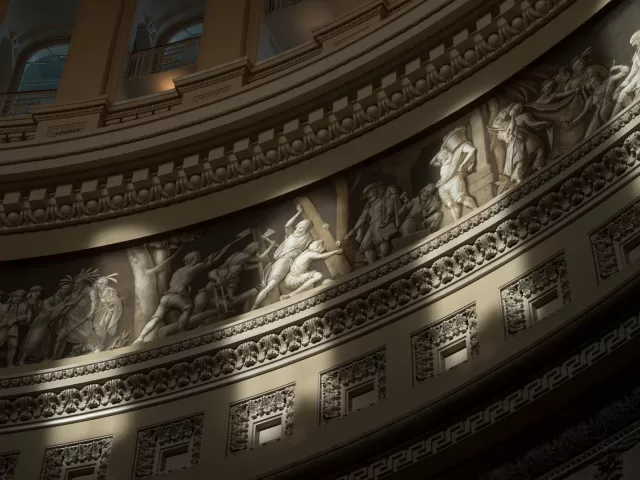
The Frieze of American History in the Rotunda of the United States Capitol contains a painted panorama depicting significant events in American history.

Highlight
Tribonian (c. 500-547) Byzantine jurist. Head of the commission that codified the laws under Justinian I.

Highlight
Sir William Blackstone (1723-1780) English jurist. Professor of common law at Oxford; author of Commentaries on the Laws of England, which had considerable influence on the importation and adaptation of English common law in America.

Highlight
The bust of Dr. Martin Luther King Jr. has been on display in the Capitol Rotunda since 1986. The bronze sculpture is 36 inches high on a 66-inch high Belgian black marble base.

Highlight
Suleiman (1494-1566) Sultan of the Ottoman Empire. Reformed and improved civil and military codes; united a group of unstable territories into an empire.
Highlight
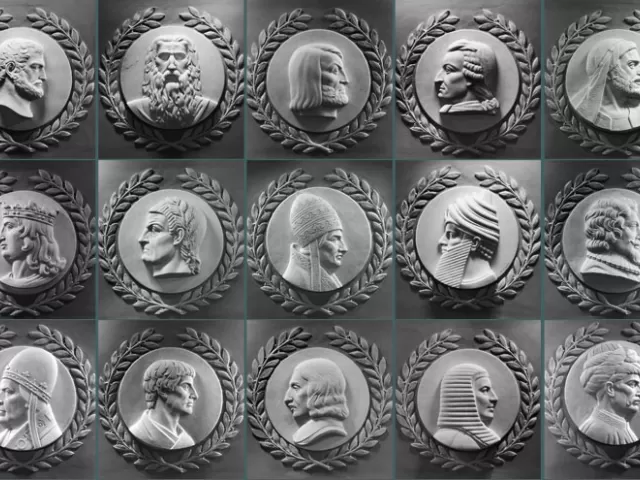
The Relief Portraits of Lawgivers depict historical figures noted for their work in establishing the principles that underlie American law.
Highlight
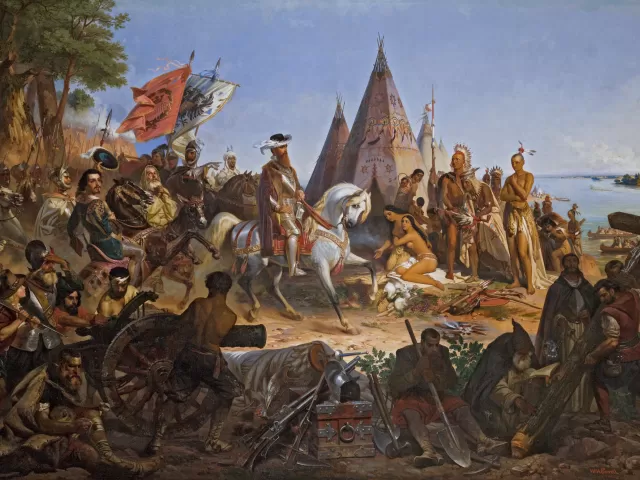
William Henry Powell’s canvas shows Spanish conquistador and explorer Hernando De Soto riding a white horse and dressed in Renaissance finery arriving at the Mississippi River.

Person
The Chief Security Officer is responsible for the agency's security programs and infrastructure, interagency emergency preparedness, continuity of operations, and the management and operation of the buildings, grounds and security enhancements supporting the U.S. Capitol Police.

Person
The Chief Administrative Officer is responsible for providing administrative and business support and overseeing the following AOC organizations: AOC University; Curator Division; Equal Employment Opportunity Division; Human Capital Management Division; Information Technology Division; Office
Highlight
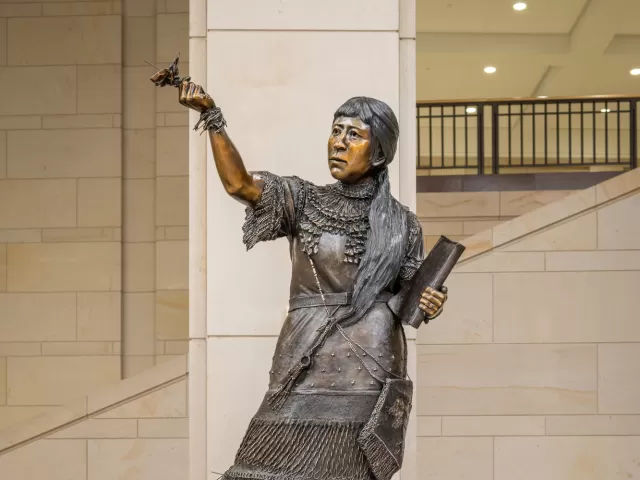
This statue of Sarah Winnemucca was given to the National Statuary Hall Collection by Nevada in 2005.
Highlight
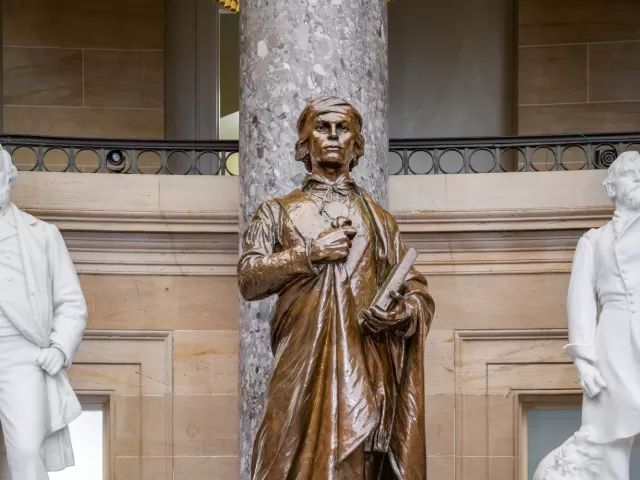
This statue of Sequoyah was given to the National Statuary Hall Collection by Oklahoma in 1917. His statue was the first honoring a Native American to be chosen for the collection.

Highlight
This statue of Stephen Austin was given to the National Statuary Hall Collection by Texas in 1905.
Highlight
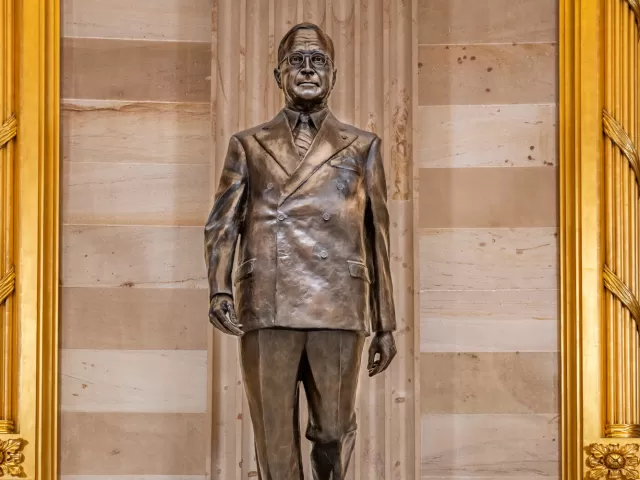
Harry S. Truman (1884-1972) was a U.S. senator from Missouri and served as president of the United States from 1945 to 1953. Missouri gave this statue of him to the National Statuary Hall Collection in 2022. Artist Tom Corbin (1954- ) took up modeling and bronze casting in his thirties and now
Highlight
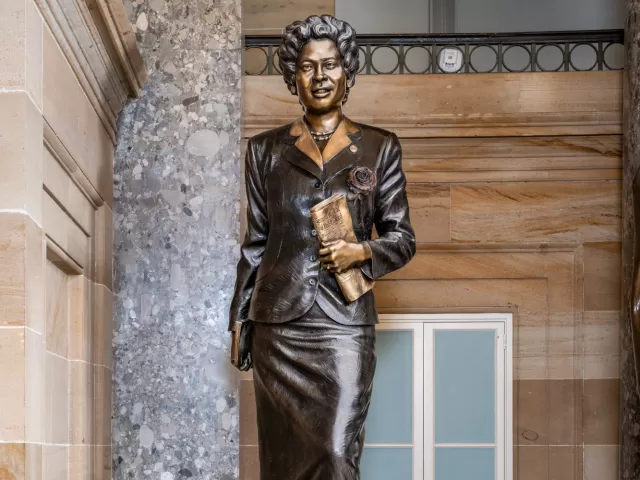
Arkansas gave this statue to the National Statuary Hall Collection in 2024. It is sculptor Benjamin Victor's fourth statue to enter the collection, the most of any living artist.
Highlight
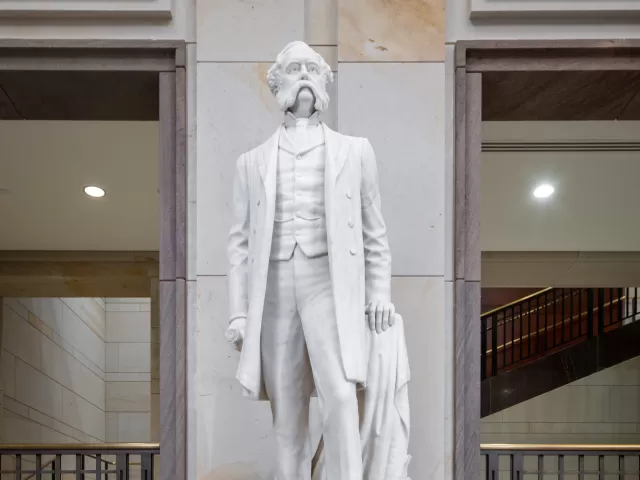
This statue of Wade Hampton was given to the National Statuary Hall Collection by South Carolina in 1929.