Displaying 1 - 30 of 137 Clear
Place
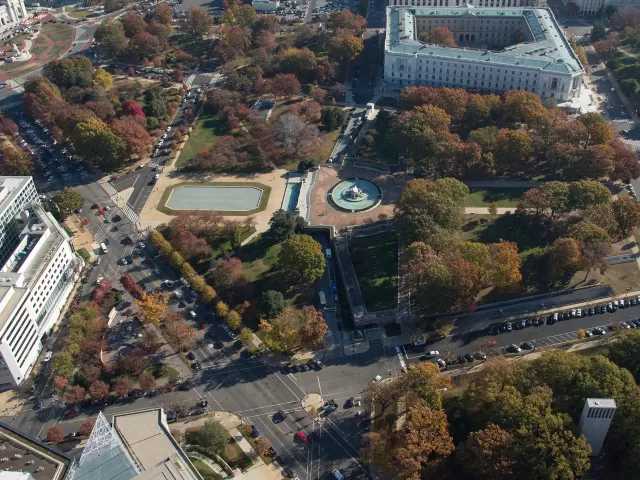
Initially designed in 1929 by William E. Parsons, of the Chicago firm of Bennett, Parsons and Frost, the grounds were planned with the clear purpose of providing a gracious, functional and formal link between the U.S. Capitol and Union Station. Parsons' plan was carefully considered with a spatial
Project
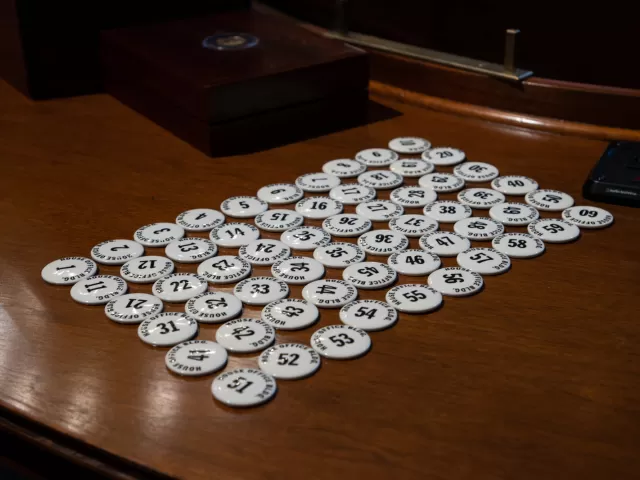
Member and committee office moves and space reassignments follow the biennial November elections for the United States Senate and U.S. House of Representatives.

Basic page
Looking for how to get here, where to eat and where to shop? Below are some available options for visitors to the U.S. Capitol and other campus buildings.

Project
A multi-year program ensuring hearing rooms on the Capitol campus have reliable features to support Congress’ legislative duties.
Basic page
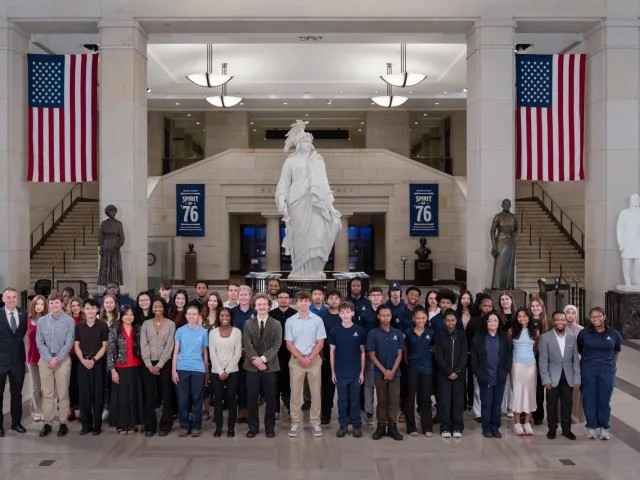
The Architect of the Capitol summer internship program is for current students.
Basic page
Single stall restrooms are available to the public in the following locations.
Project
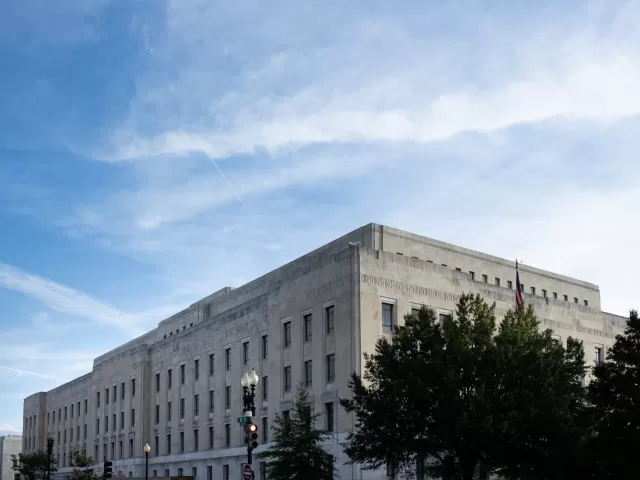
This two-phase project will replace the 85-year-old copper roof of the Library of Congress' John Adams Building.
Basic page
In accordance with legislation enacted in 2000, "Any State may request the Joint Committee on the Library of Congress to approve the replacement of a statue the State has provided for display in Statuary Hall" under certain conditions.
Project
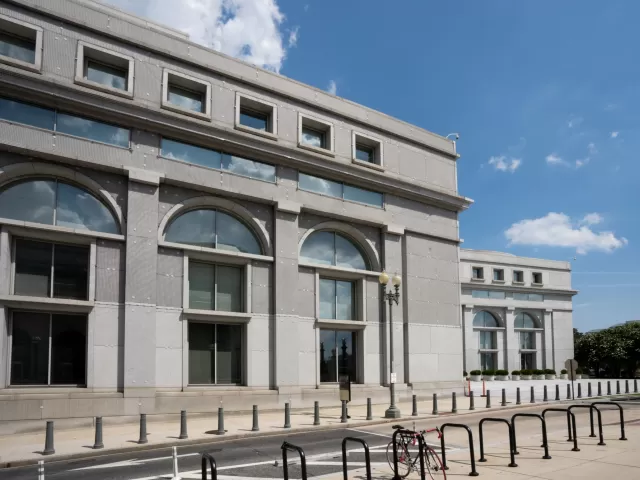
Work to stabilize façade elements at the Thurgood Marshall Federal Judiciary Building has begun.

Project
The preservation of heritage assets on the U.S. Capitol campus is one of the Architect of the Capitol's (AOC) core functions.

Project
This project replaced trees at the U.S. Capitol Visitor Center (CVC) entry to recapture the historic design intent and restore the historic character and contributing features of the original Olmsted landscape within the context of the current landscape conditions.

Project
When the Architect of the Capitol (AOC) does not receive enough funding to pay for all maintenance and repairs required across the U.S. Capitol campus, work gets deferred due to budget constraints.

Basic page
The regular practice of displaying a Christmas tree on the U.S. Capitol grounds is relatively recent. Records at the Architect of the Capitol (AOC) show correspondence from 1919 indicate that a Christmas tree was purchased that year. However, it was not until 1964 that a definite procedure was

Place
The USBG Production Facility is located in D.C.'s Anacostia neighborhood, about eight miles from Capitol Hill, and is home to some of the world's most exotic and beautiful plants. The facility opened in 1994 and is 85,000 square feet under glass divided into 34 greenhouse bays.
Basic page
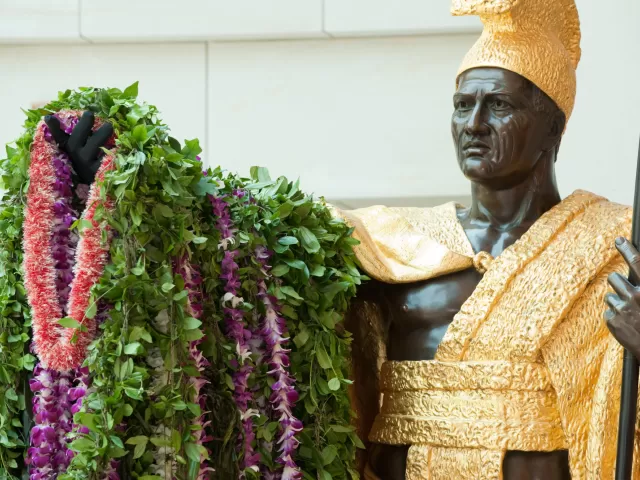
This list includes works in the collections under the care of the Architect of the Capitol, U.S. House of Representatives and U.S. Senate, and is not exhaustive.
Place
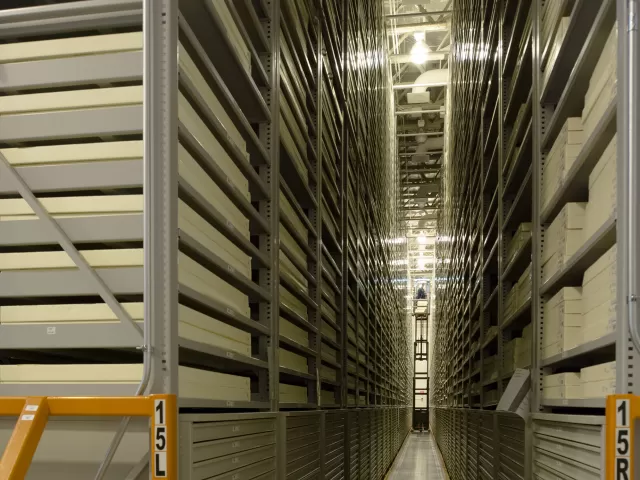
The Architect of the Capitol (AOC) manages all of the buildings and grounds on Capitol Hill, but we also maintain several facilities across the National Capital Region, including Fort Meade, Maryland.
Basic page
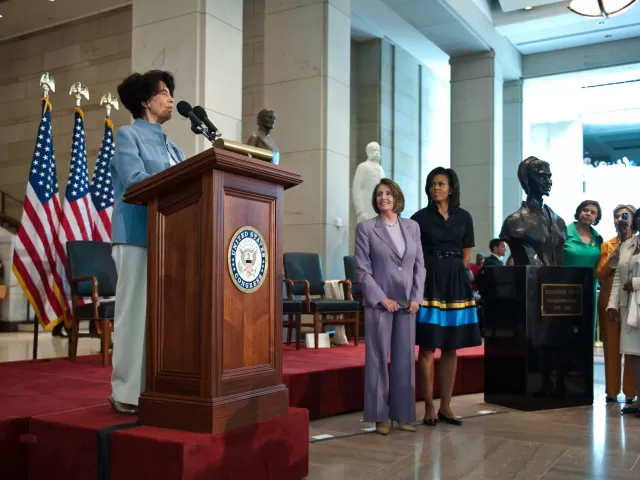
Examples of African American artists with works featured in the United States Capitol and congressional office buildings.
Basic page
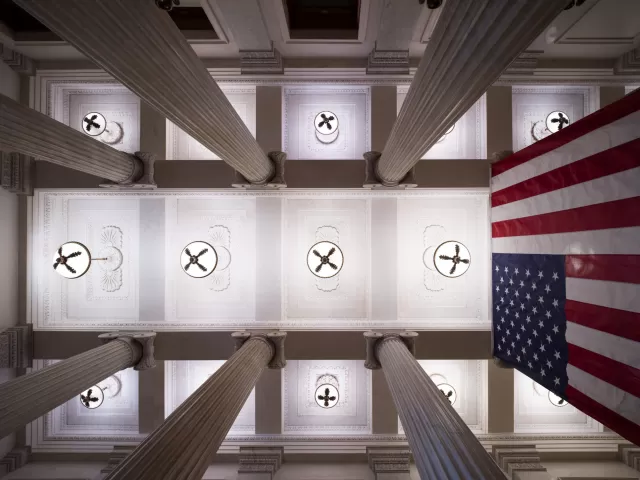
Accomplishing these initiatives is critical to laying the foundation for the Architect of the Capitol's (AOC) long-term success and providing a governance framework that supports effective management. Each strategic objective aligns with multiple strategic goals.
Basic page
The Architect of the Capitol's (AOC) annual Performance and Accountability Report (PAR) provides the results of the AOC's financial performance each fiscal year (FY). It demonstrates the AOC's commitment to the accomplishment of its mission and accountability for its financial resources to the

Project
The Architect of the Capitol's repair of the Summerhouse included renovation of the fountain and surrounding landscape, as well as additional landscape improvements to the grotto and surrounding planting beds.
Basic page
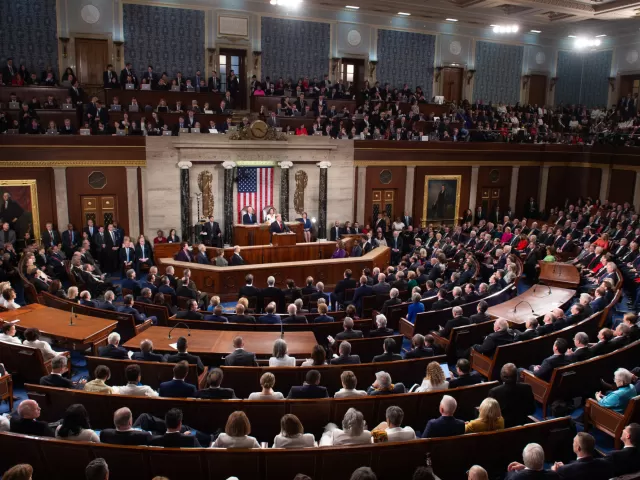
The Architect of the Capitol works behind the scenes to ensure that everything is impeccable for this important event — even the smallest details, like monitoring the temperature to ensure it's comfortable for the hundreds of members, staff and visitors who fill the House Chamber.

Project
Stone preservation is a top priority for the Architect of the Capitol (AOC) as nearly every building is enveloped in stone and all have problems.

Place
At the U.S. Capitol Building the Senate and the House of Representatives come together to discuss, debate and deliberate national policy; develop consensus; and craft the country's laws.

Place
In the pre-fire period this elliptical space housed the Senate wing’s main staircase. Benjamin Henry Latrobe remarked to Thomas Jefferson that "it was one of the most remarkable parts of the Capitol."
Place
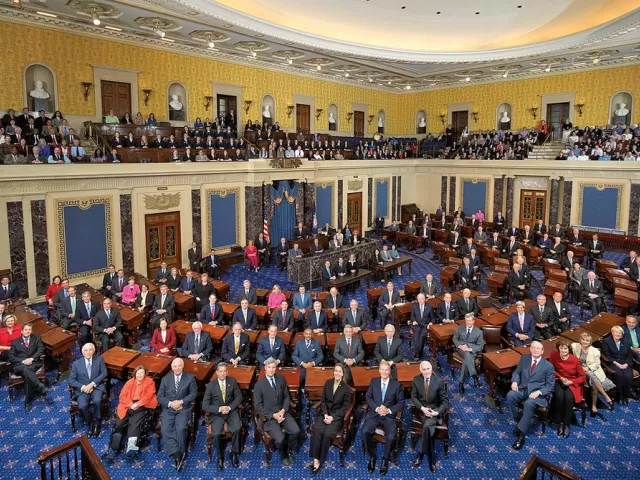
The nation's 100 senators sit at individual desks arranged on a tiered semicircular platform facing a raised rostrum. A visitor's gallery overlooks the chamber on four sides.
Place
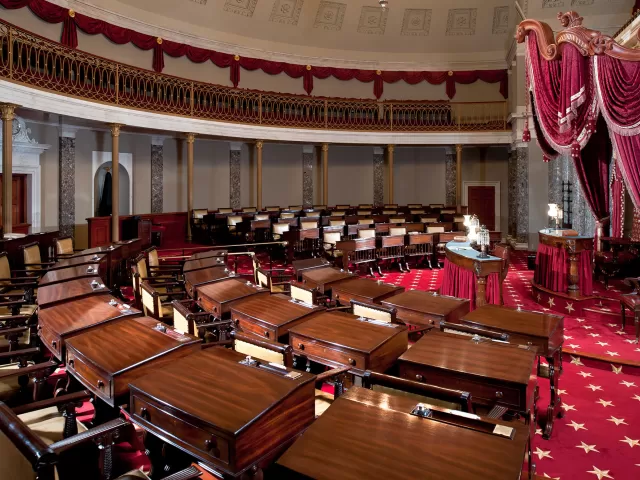
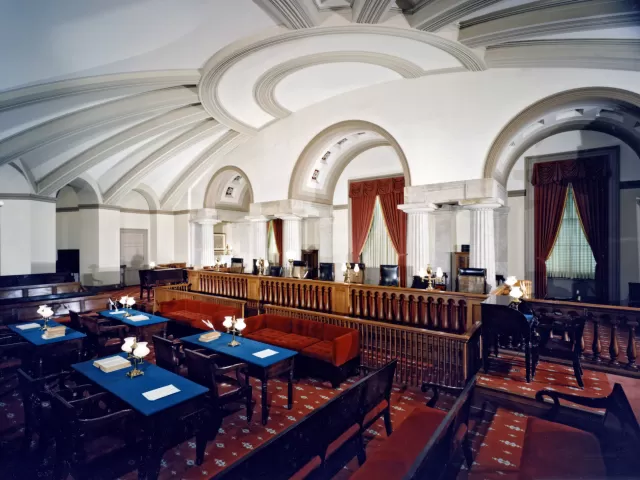
Located north of the Capitol Rotunda is the richly decorated Old Senate Chamber. Designed by Benjamin Henry Latrobe, this room was home to the U.S. Senate from 1819 until 1859 and later to the U.S. Supreme Court from 1860-1935.
Place
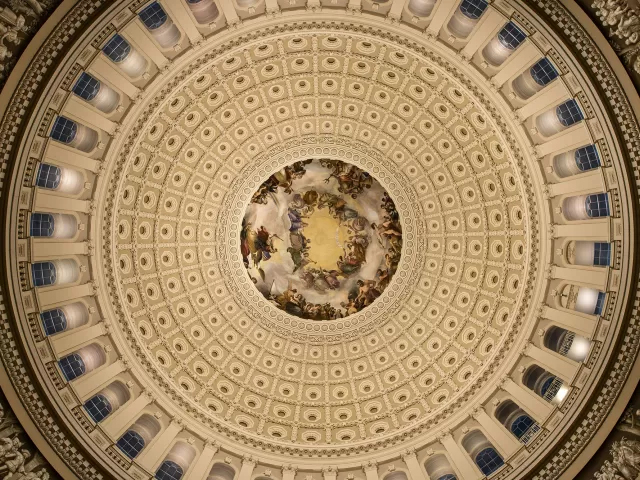
Conceived in the age of neoclassicism, the Rotunda was intended to recall the Pantheon, the ancient Roman temple. Bulfinch created in the U.S. Capitol Rotunda an ambitious orchestration of architecture, sculpture and painting.
Place
In addition to housing the Supreme Court, this space later served as a committee room, a law library, a meeting room, and a storage room. Today, it has been restored to its mid–19th-century appearance.

Place
National Statuary Hall is one of the most popular rooms in the U.S. Capitol Building. It, and its collection of statuary from individual states, is visited by thousands of tourists each day and continues to be used for ceremonial occasions.
Place
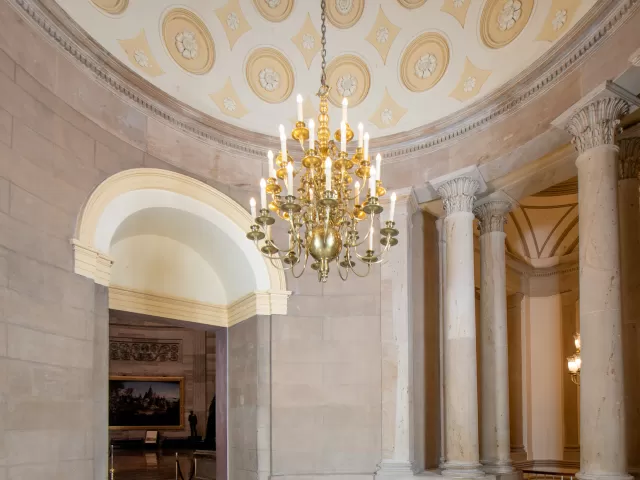
In the south wing, Latrobe created a progression of spaces from the entrance door on the first floor up a grand staircase to the small rotunda in front of the principal doorway leading into the Hall of the House (now called National Statuary Hall).