Displaying 31 - 60 of 66 Clear

Place
The design of the Supreme Court building achieved a balance between classical grandeur and quiet dignity, appropriate for the nation's highest court.

Place
Brumidi created the overall design for the corridors and directed its execution by artists of many nationalities. His immediate assistants included Italians Albert Peruchi and Ludwig Odense, Germans Joseph Rakemann and Henry Walther, and an English artist, James Leslie.
Place
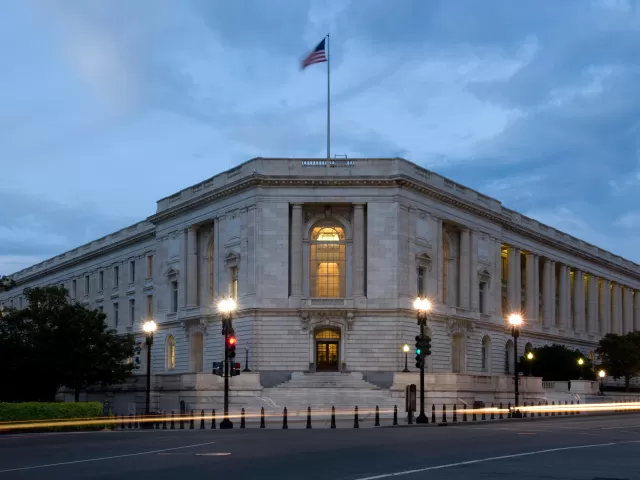
The Richard Brevard Russell Senate Office Building (1903–1908) is the oldest of the Senate office buildings as well as a significant example of the Beaux Arts style of architecture.
Place
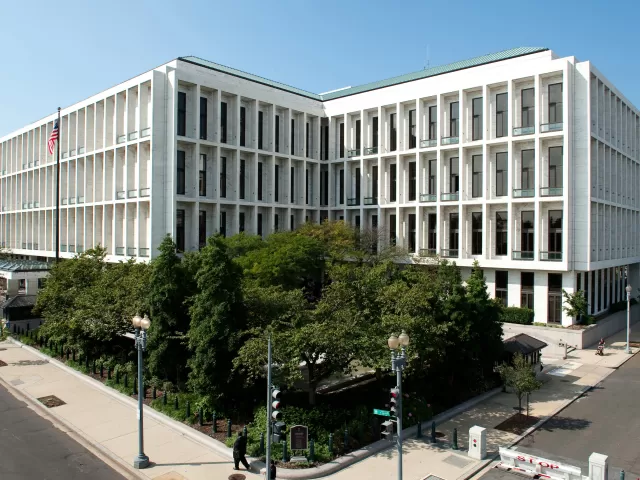
The Philip A. Hart Senate Office Building is the third and newest office structure designed and built to serve the United States Senate.
Place
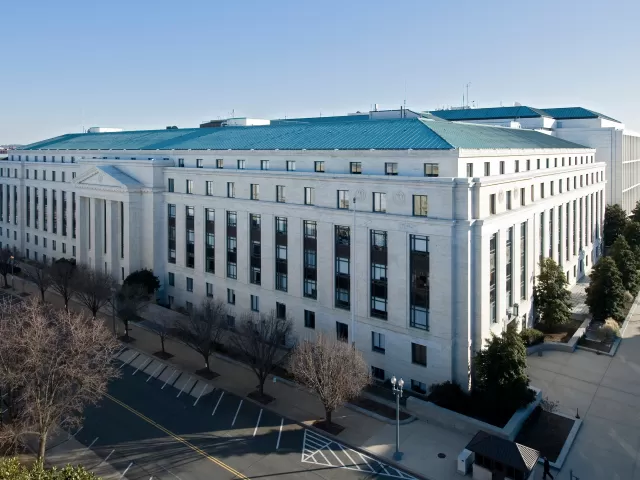
The Everett McKinley Dirksen Senate Office Building was the second of three office buildings constructed for the United States Senate.
Place
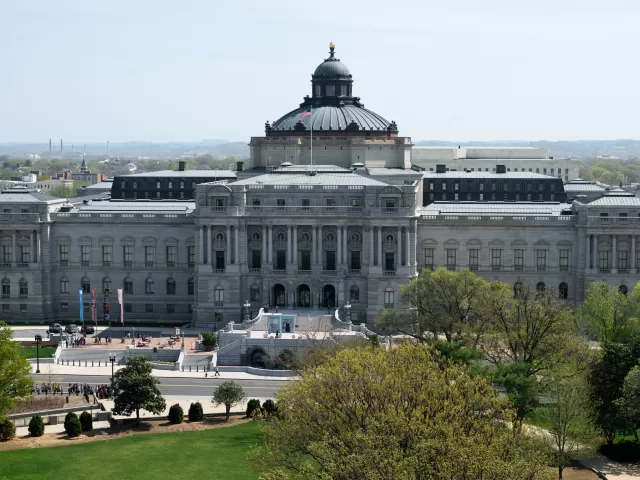
The Library of Congress began in 1800 with a small appropriation to buy reference books and was originally housed in the U.S. Capitol's west center building.
Place
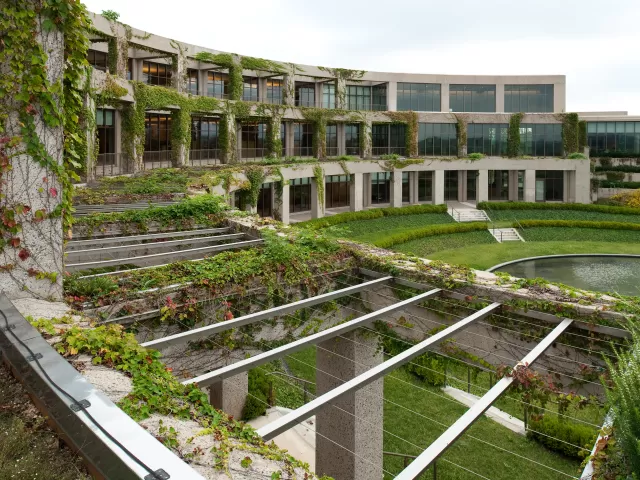
The Packard Campus of the National Audio-Visual Conservation Center is located on 45 acres near Culpeper, Virginia, 75 miles southwest of Washington, D.C.
Place
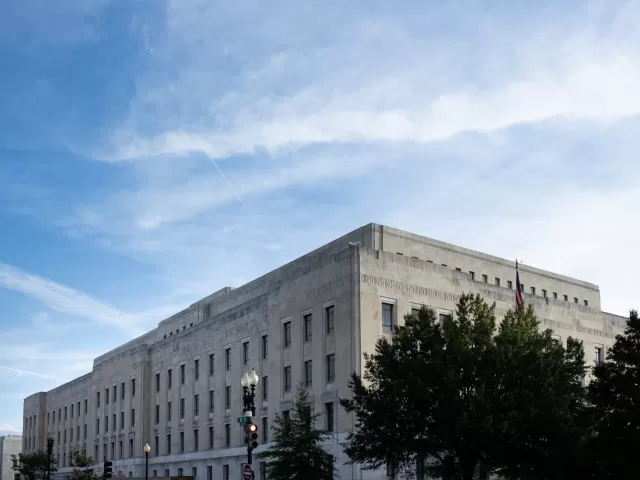
The John Adams Building contains 180 miles of shelving and can hold ten million volumes. When it opened in 1939, it tripled the Library of Congress' shelving capacity.
Place
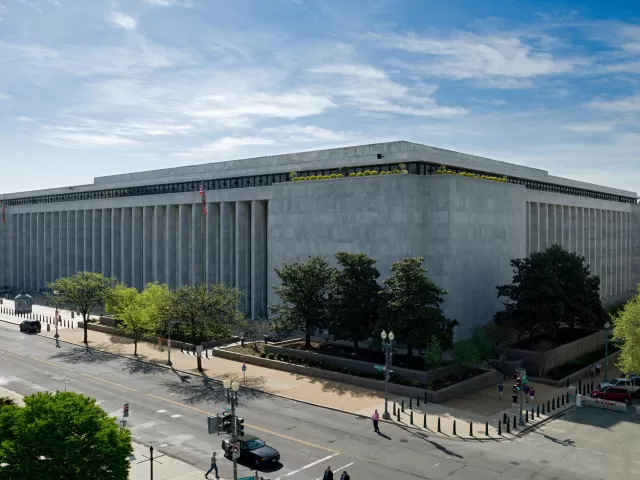
The Madison Building is an unusual combination of a national shrine contained in a working building serving both as the Library's third major structure and as this nation's official memorial to President James Madison.
Place
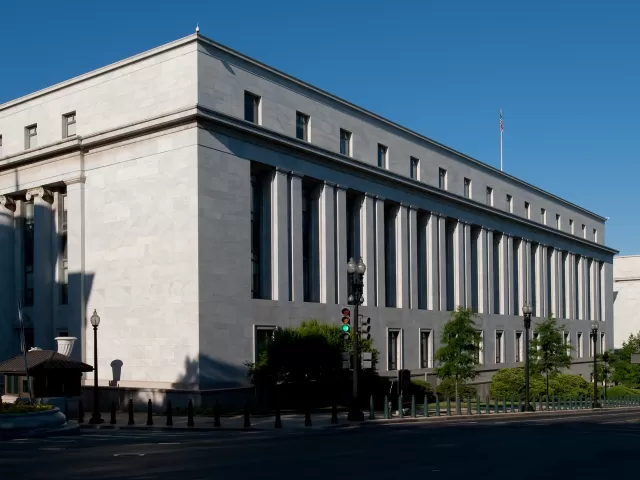
The Rayburn House Office Building is the third and largest office building constructed for the use of the House of Representatives; it contains three artworks depicting its namesake. It occupies a site south of the Capitol bounded by Independence Avenue, South Capitol Street, C Street SW and First
Place
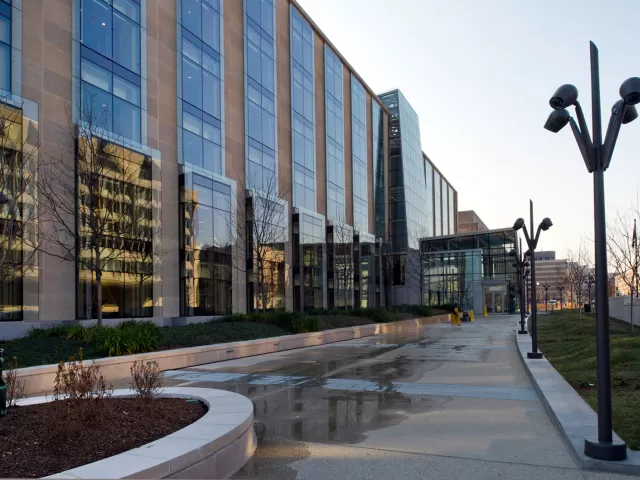
The Thomas P. O'Neill Jr. House Office Building is the fifth office building now occupied by the U.S. House of Representatives.
Place
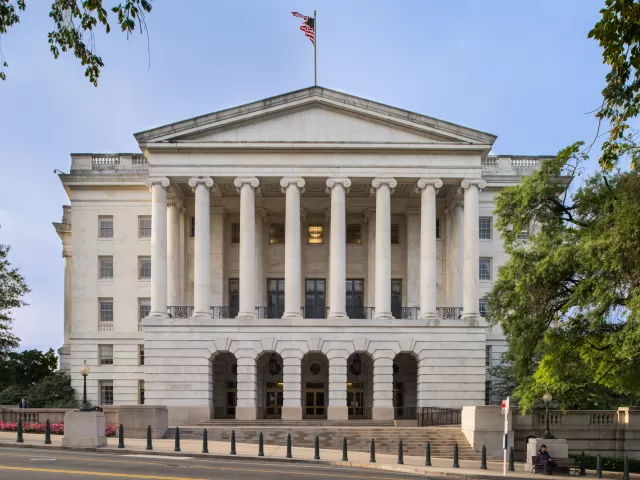
Completed in the spring of 1933, the seven-story Longworth House Office Building is the second of three office buildings constructed for the United States House of Representatives.

Place
The Cannon House Office Building (constructed beginning in 1905 and completed in 1908) is the oldest congressional office building and a significant example of the Beaux Arts style of architecture.
Place
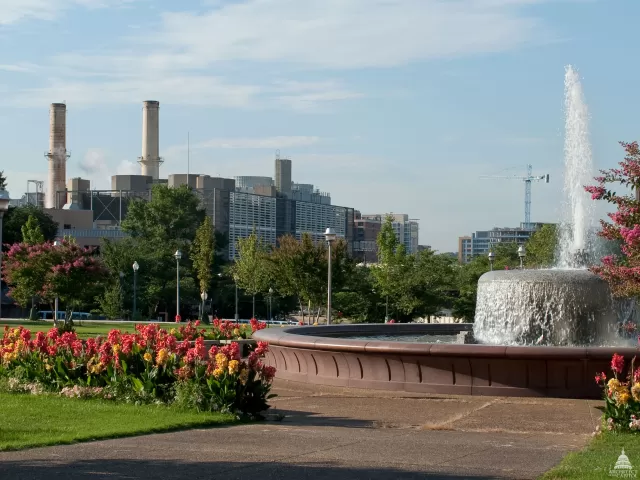
The Capitol Power Plant provides steam and chilled water used to heat and cool buildings throughout the U.S. Capitol campus.
Place
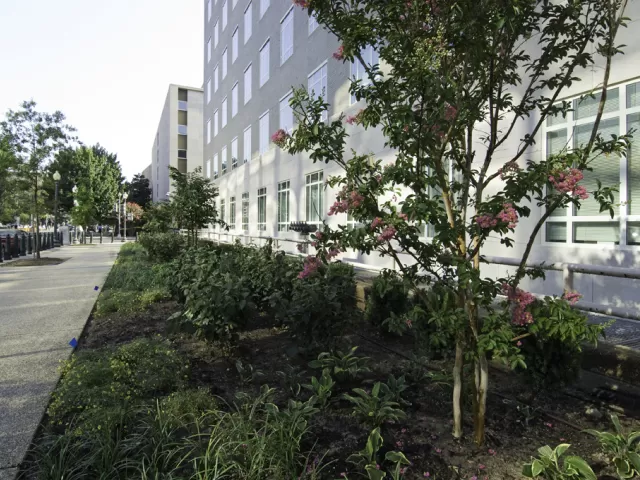
The Gerald R. Ford House Office Building, acquired by the Architect of the Capitol in April 1975, is the fourth of the current office buildings occupied by the U.S. House of Representatives. It is located southwest of the Capitol on city Square 581, a site bounded by 2nd Street, 3rd Street, D Street
Landing Page
Resources available to Capitol Hill employees including information for Architect of the Capitol jurisdiction superintendent offices, the Capitol flag program, online service requests and more.
Landing Page
Explore areas of the north side of the U.S. Capitol including Brumidi Corridors, the Senate Chamber, small Senate rotunda and old Senate Chamber.
Landing Page
Explore the U.S. Supreme Court facilities and grounds cared for by the Architect of the Capitol.
Landing Page
Explore the U.S. Senate office buildings cared for by the Architect of the Capitol.

Landing Page
Explore the Library of Congress facilities and grounds cared for by the Architect of the Capitol.
Landing Page
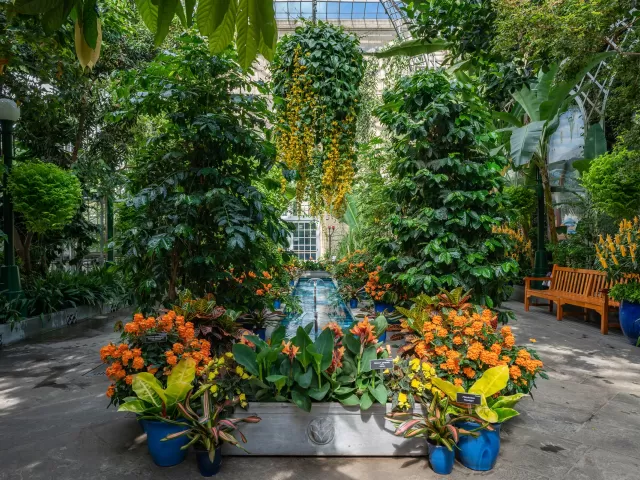
Explore the U.S. Botanic Garden facilities cared for by the Architect of the Capitol.
Landing Page
Explore areas of the south side of the U.S. Capitol including Cox Corridors, Hall of Columns, the House Chamber, National Statuary Hall and small House rotunda.
Landing Page
The Architect of the Capitol publishes a wide variety of publications to increase transparency and accountability, including congressional reports and testimony, a report on energy and conservation, and Tholos magazine.
Landing Page
Find out more about accessibility services, conducting official business, prohibited items, and tours and events on the U.S. Capitol campus.
Landing Page
More details on events supported by the Architect of the Capitol including summer concerts, the Capitol Christmas tree, presidential inauguration, State of the Union Address, and lying in state or honor.

Landing Page
The Architect of the Capitol's origins date to the founding of the federal capital. The Architect of the Capitol is both the name of the U.S. legislative branch agency responsible for the maintenance and upkeep of the Capitol campus, as well as the title for the leader of the agency. 1790-1800 The
Landing Page
Learn more about the AOC's awards, memberships, affiliations and more.
Landing Page
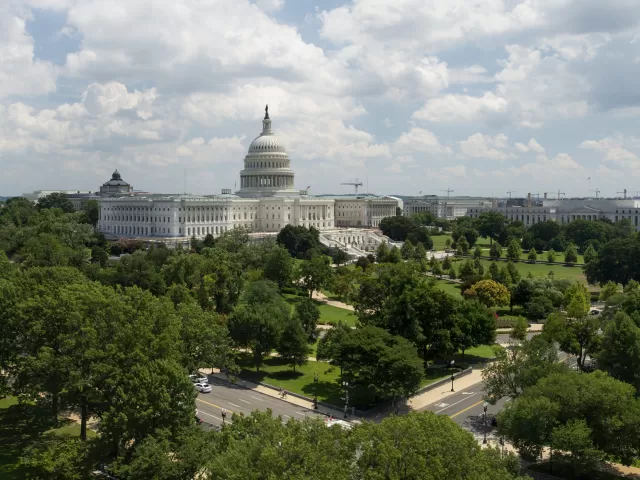
The Architect of the Capitol is a Legislative Branch agency responsible to the U.S. Congress for the maintenance, operation, development and preservation of the United States Capitol complex.
Landing Page
Our mission centers on our stewardship of the structures and grounds of the nation's Capitol. We ensure every visitor to the campus experiences the grandeur of these historic treasures at their very best.
Landing Page
The Architect of the Capitol is both the name of the U.S. legislative branch agency responsible for the maintenance of the Capitol campus and the title for the leader of the agency.