Displaying 31 - 60 of 465 Clear

Highlight
This sweetgum was grown from the array of different seeds that flew nearly 270,000 miles from Earth and circled the moon aboard the Orion spacecraft.

Highlight
The bur oak has been recognized as the state tree of Iowa since 1961 and it stands as a timeless symbol of longevity, resilience, stability and strength. This tree, appropriately located on the Senate side of the U.S. Capitol Grounds, honors Senator Grassley's service in the U.S. Senate.

Highlight
U.S. Capitol Grounds memorial tree sponsored by Speaker Nancy Pelosi to honor Rep. John R. Lewis.

Highlight
A tree honoring the life and service of Mr. Christopher Vetick, Architect of the Capitol (AOC) former Deputy Director of Capitol Grounds and Arboretum.
Highlight
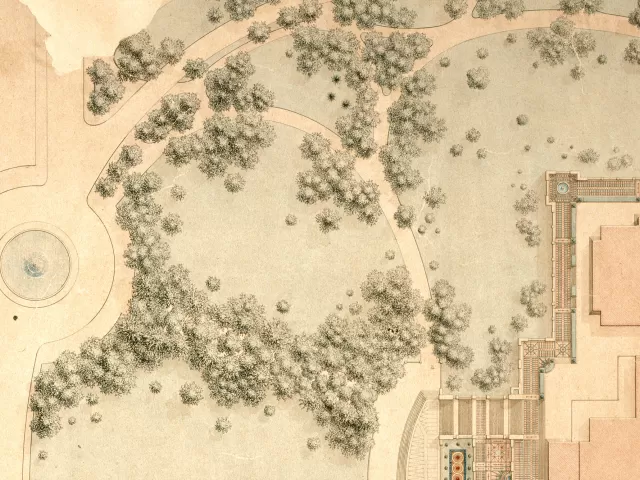
There is one original willow oak tree still living on the U.S. Capitol campus today.

Highlight
There is one original swamp chestnut oak tree still living on the U.S. Capitol campus today.

Highlight
There is one original bigleaf linden tree still living on the U.S. Capitol campus today.
Highlight
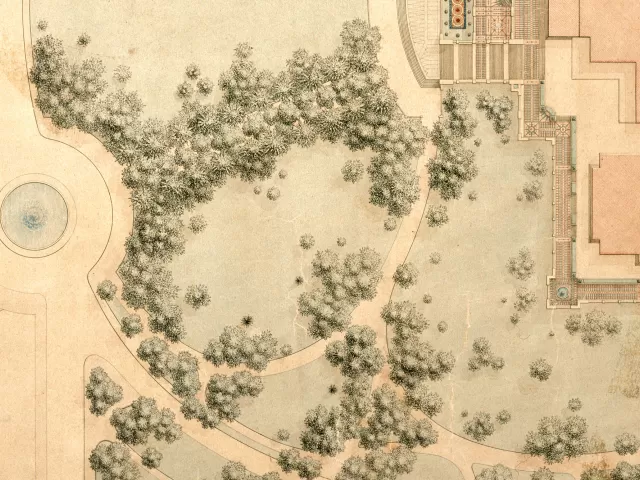
There is one original Kentucky coffeetree still living on the U.S. Capitol campus today.

Highlight
There is one original Wych elm tree still living on the U.S. Capitol campus today.
Highlight
There is one original cucumber magnolia tree still living on the U.S. Capitol campus today.

Highlight
There are two original white oak trees still living on the U.S. Capitol campus today.
Highlight
There is one original yellow buckeye tree still living on the U.S. Capitol campus today.
Highlight
There are two original Dutch elm trees still living on the U.S. Capitol campus today.
Highlight
There are two original white ash trees still living on the U.S. Capitol campus today.
Highlight
There is one original green ash tree still living on the U.S. Capitol campus today.

Highlight
There are three original Japanese pagoda trees still living on the U.S. Capitol campus today.

Highlight
There are two original Osage orange trees still living on the U.S. Capitol campus today.

Highlight
There are two original jujube trees still living on the U.S. Capitol campus today.
Highlight
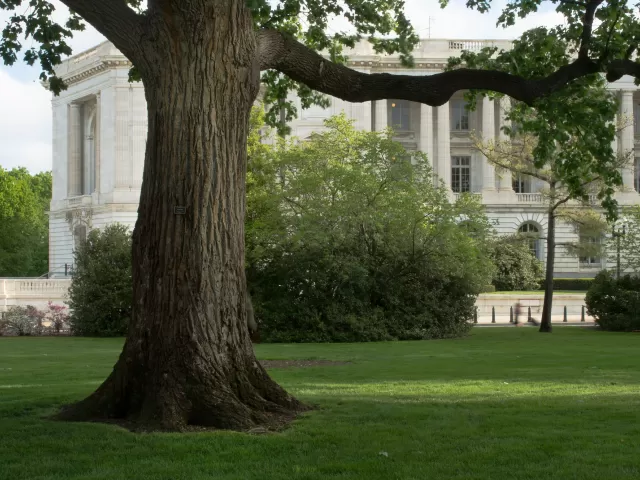
There are three original tulip trees still living on the U.S. Capitol campus today.

Highlight
There is one original northern red oak tree still living on the U.S. Capitol campus today.

Highlight
There are three original bur oak trees still living on the U.S. Capitol campus today.

Highlight
Also known as basswood, the American linden is a native deciduous tree found throughout eastern North America. It is known for its broad, heart-shaped leaves, fragrant pale-yellow flowers that attract pollinators, and its smooth gray bark that develops ridges with age. Historically, its soft

Highlight
There is one original smoothleaf elm tree still living on the U.S. Capitol campus today.

Highlight
There are two original American elm trees still living on the U.S. Capitol campus today. About the Olmsted Originals Landscape architect Frederick Law Olmsted's 1874 General Plan for the U.S. Capitol Grounds sought to create a setting to accentuate the monumentality of the Capitol Building

Highlight
There are two original American beech trees still living on the U.S. Capitol campus today.

Highlight
Known for its fan-shaped leaves that turn from bright green in the summer to bright yellow in the fall, the ginkgo's earliest leaf fossils date back 270 million years. The ginkgo drops its leaves at the same time creating a solid yellow carpet under the tree. There are six original ginkgo trees

Highlight
There is one original horse chestnuet tree still living on the U.S. Capitol campus today.

Highlight
U.S. Capitol Grounds commemorative tree sponsored by the Wisconsin Congressional Delegation to honor the people of Wisconsin.

Highlight
At the end of the Revolutionary War, the British are shown laying down their arms against a symbolic sunset.

Highlight
Three Native Americans of northern Florida's Timucuan tribe are depicted near their village.