Displaying 31 - 60 of 109 Clear

Place
In 1874, Frederick Law Olmsted was charged with devising a comprehensive landscape scheme for the U.S. Capitol. Olmsted's major concern was the visual presentation of the Capitol Building and the support of its daily functions.

Place
The grounds immediately surrounding the U.S. Capitol are bordered by a stone wall and cover an area of 58.8 acres. Its boundaries are Independence Avenue on the south, Constitution Avenue on the north, First Street NE/SE on the east, and First Street NW/SW on the west.

Place
The U.S. Capitol’s dome made of cast iron was designed by Thomas U. Walter and constructed from 1856-1866 at the total cost of $1,047,291.
Place
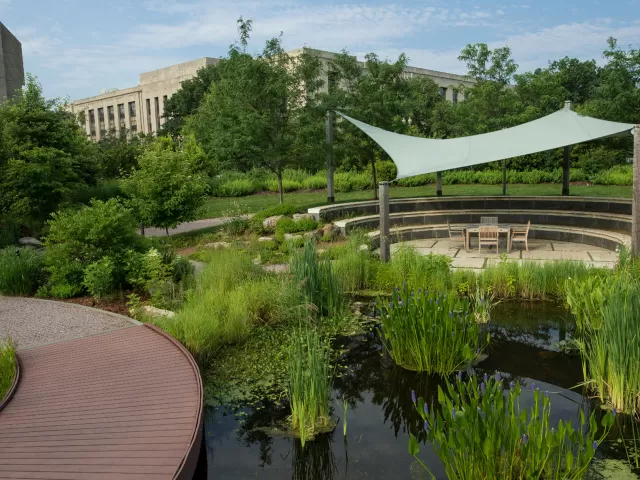
Adjacent to the U.S. Botanic Garden Conservatory with entrances from Independence Avenue, Maryland Avenue (at 3rd street) and from the Conservatory Terrace.
Place
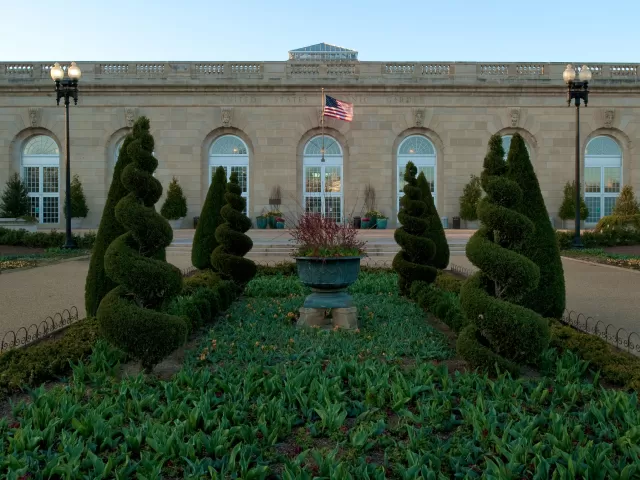
This historic Lord & Burnham greenhouse contains two courtyard gardens and 10 garden rooms under glass, totaling 28,944 square feet of exhibition space.
Place
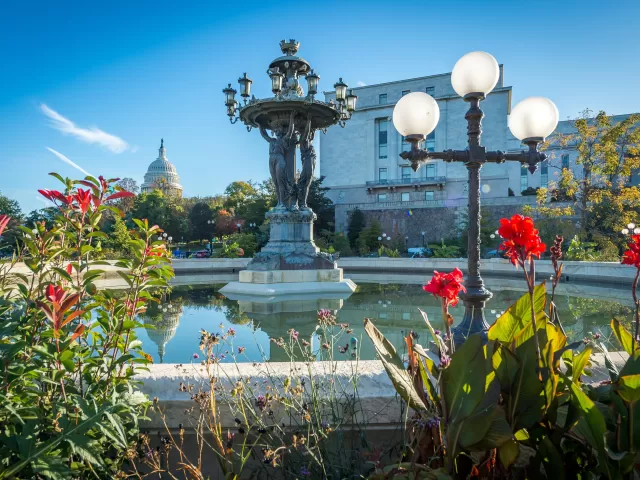
Bartholdi Gardens serves as a home landscape demonstration garden and showcases innovative plant combinations in a variety of styles and design themes.

Place
The offices of the United States Botanic Garden's (USBG) executive director are located in a residential building at the south end of Bartholdi Park.

Place
Completed in 1992, the Thurgood Marshall building cost $101 million, providing more than 600,000 square feet of rentable space within its overall million-square-foot interior.

Place
The design of the Supreme Court building achieved a balance between classical grandeur and quiet dignity, appropriate for the nation's highest court.

Place
Brumidi created the overall design for the corridors and directed its execution by artists of many nationalities. His immediate assistants included Italians Albert Peruchi and Ludwig Odense, Germans Joseph Rakemann and Henry Walther, and an English artist, James Leslie.
Place
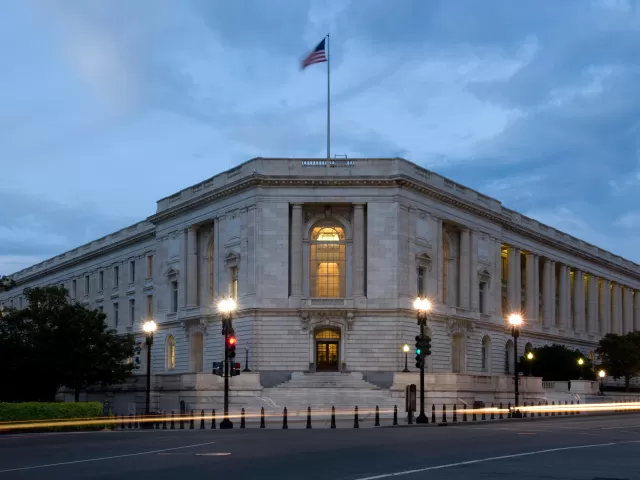
The Richard Brevard Russell Senate Office Building (1903–1908) is the oldest of the Senate office buildings as well as a significant example of the Beaux Arts style of architecture.
Place
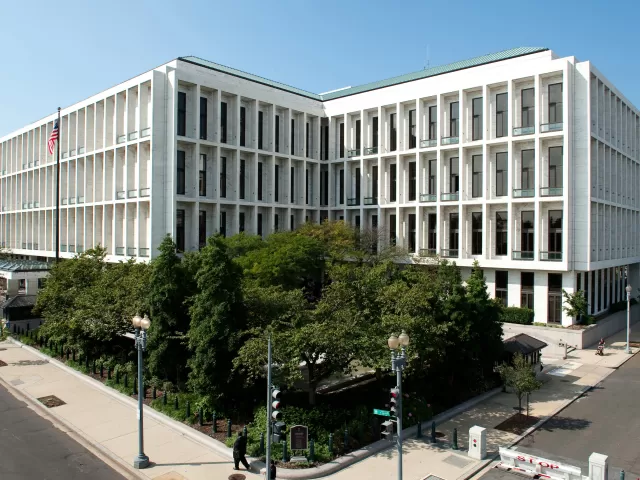
The Philip A. Hart Senate Office Building is the third and newest office structure designed and built to serve the United States Senate.
Place
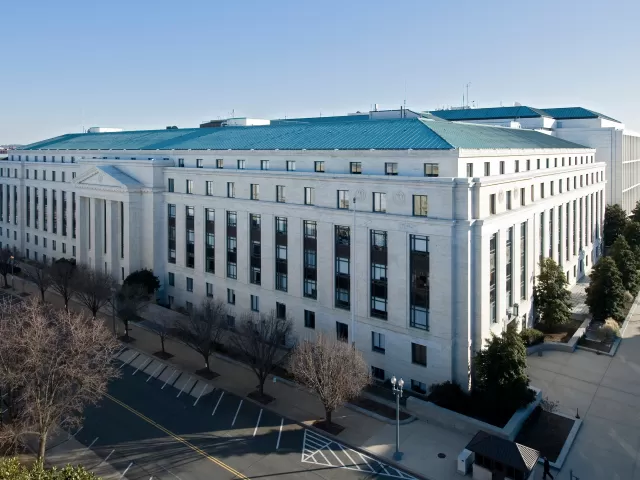
The Everett McKinley Dirksen Senate Office Building was the second of three office buildings constructed for the United States Senate.
Place
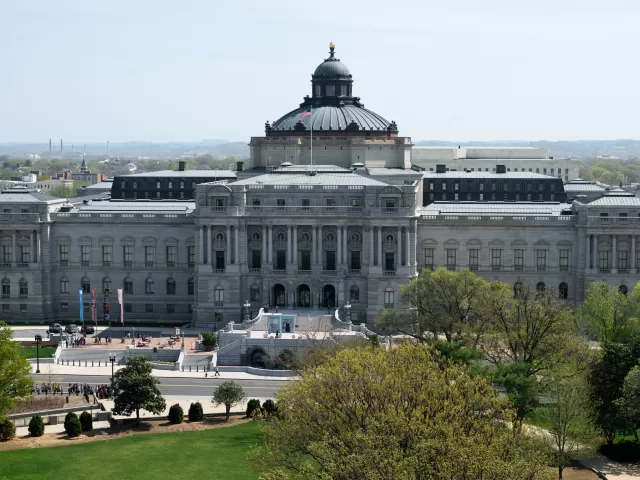
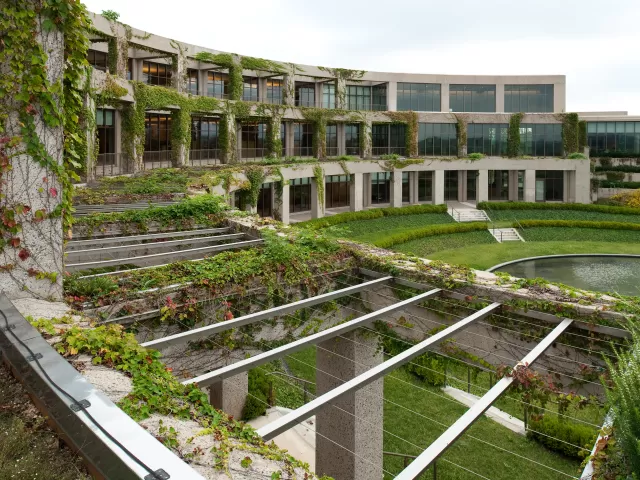
The Library of Congress began in 1800 with a small appropriation to buy reference books and was originally housed in the U.S. Capitol's west center building.
Place
The Packard Campus of the National Audio-Visual Conservation Center is located on 45 acres near Culpeper, Virginia, 75 miles southwest of Washington, D.C.
Place
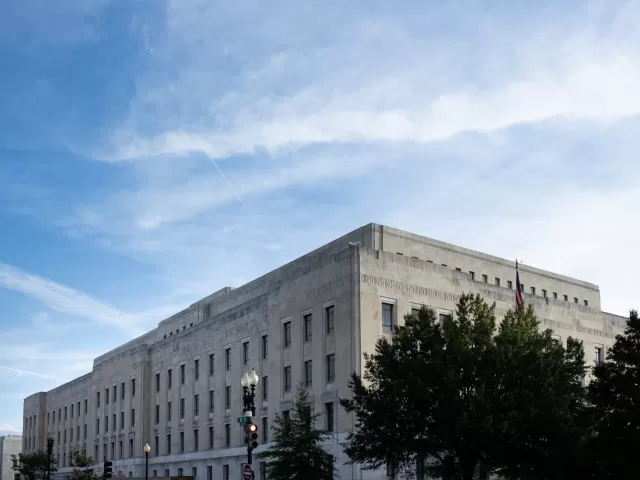
The John Adams Building contains 180 miles of shelving and can hold ten million volumes. When it opened in 1939, it tripled the Library of Congress' shelving capacity.
Place
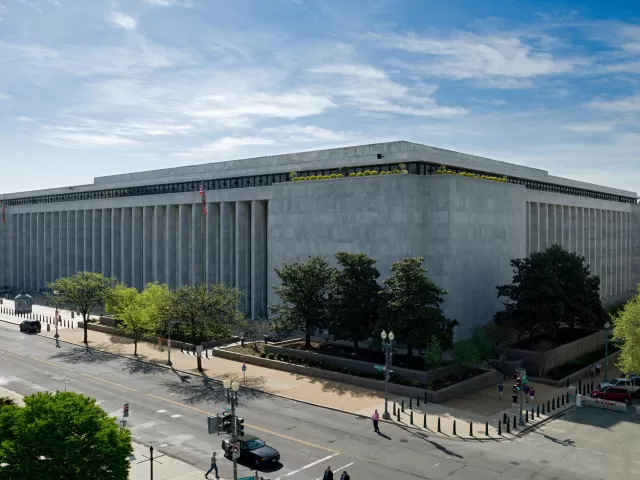
The Madison Building is an unusual combination of a national shrine contained in a working building serving both as the Library's third major structure and as this nation's official memorial to President James Madison.
Place
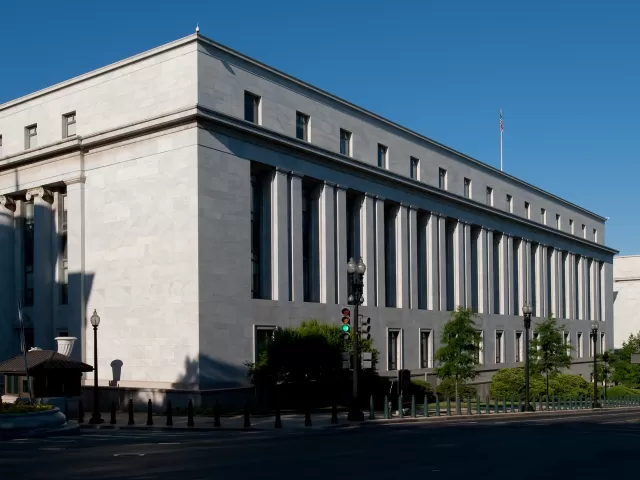
The Rayburn House Office Building is the third and largest office building constructed for the use of the House of Representatives; it contains three artworks depicting its namesake. It occupies a site south of the Capitol bounded by Independence Avenue, South Capitol Street, C Street SW and First
Place
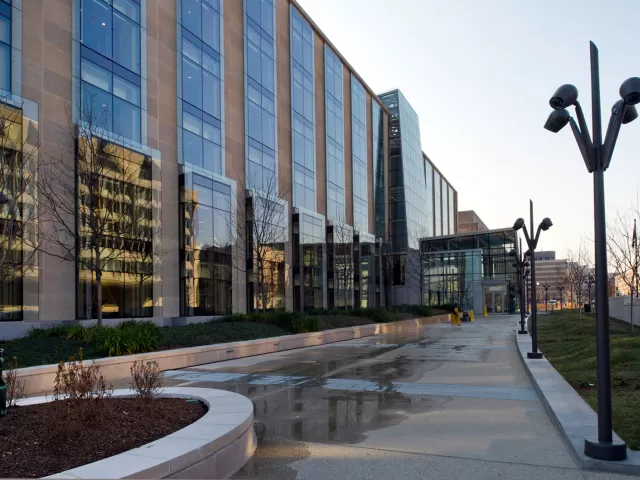
The Thomas P. O'Neill Jr. House Office Building is the fifth office building now occupied by the U.S. House of Representatives.
Place
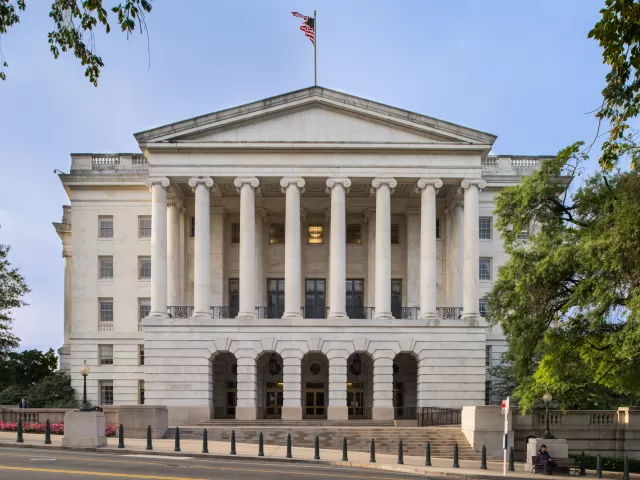
Completed in the spring of 1933, the seven-story Longworth House Office Building is the second of three office buildings constructed for the United States House of Representatives.

Place
The Cannon House Office Building (constructed beginning in 1905 and completed in 1908) is the oldest congressional office building and a significant example of the Beaux Arts style of architecture.
Place
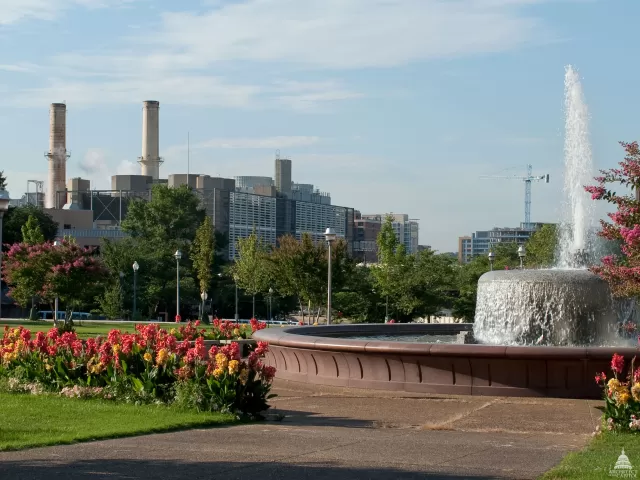
The Capitol Power Plant provides steam and chilled water used to heat and cool buildings throughout the U.S. Capitol campus.
Place
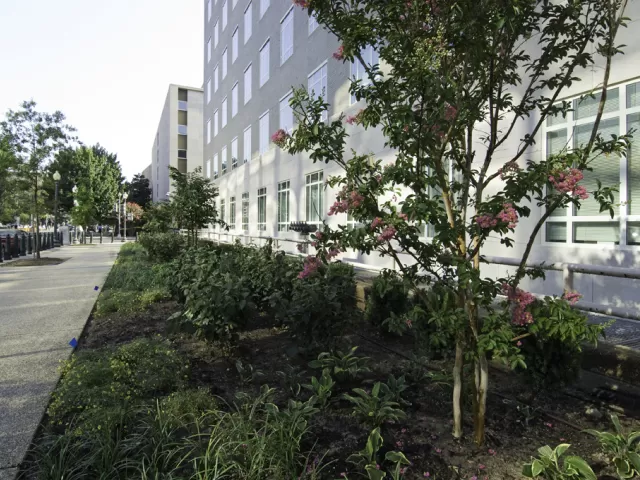
The Gerald R. Ford House Office Building, acquired by the Architect of the Capitol in April 1975, is the fourth of the current office buildings occupied by the U.S. House of Representatives. It is located southwest of the Capitol on city Square 581, a site bounded by 2nd Street, 3rd Street, D Street
Basic page
Recently mentioned links on Architect of the Capitol (AOC) social media posts.
Basic page
This page's content has either been moved, is under revision, or is only for users on the Capitol Network.
Basic page
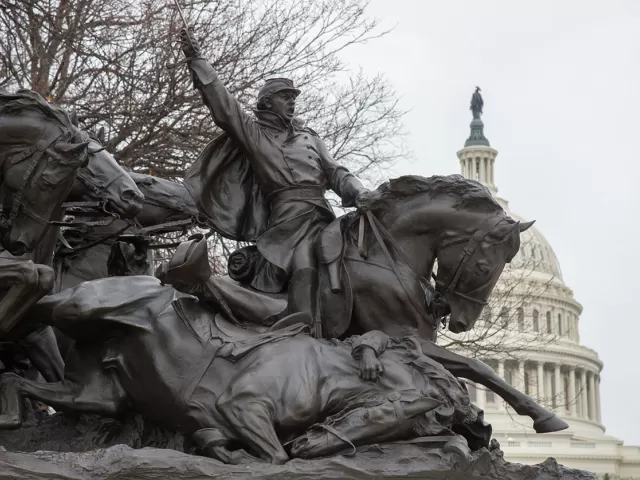
Winter on the U.S. Capitol Grounds can be frigid, but there is still beauty to behold throughout the historic landscape. The season kicksoff in the Christmas holiday spirit with good cheer and vibrant décor. As cold temperatures settle in, the graceful limbs of barren trees cleave the sky while
Basic page
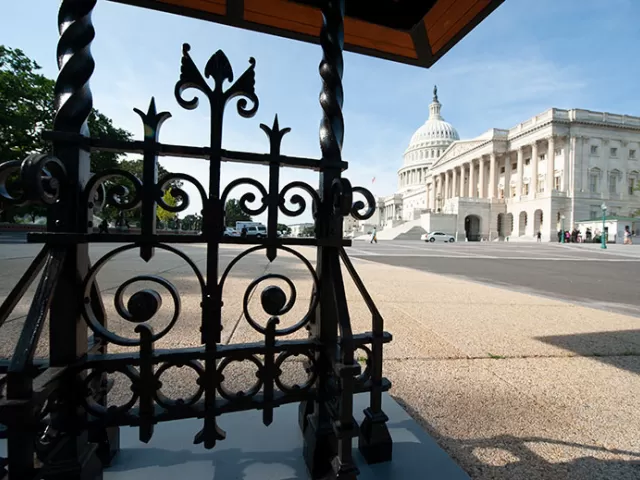
Summer in Washington, D.C. brings heat, humidity and families on vacation. Across the Capitol campus, visitors can find relief in the cool shade of thousands of trees and aquatic inspiration from more than 20 water features.
Basic page
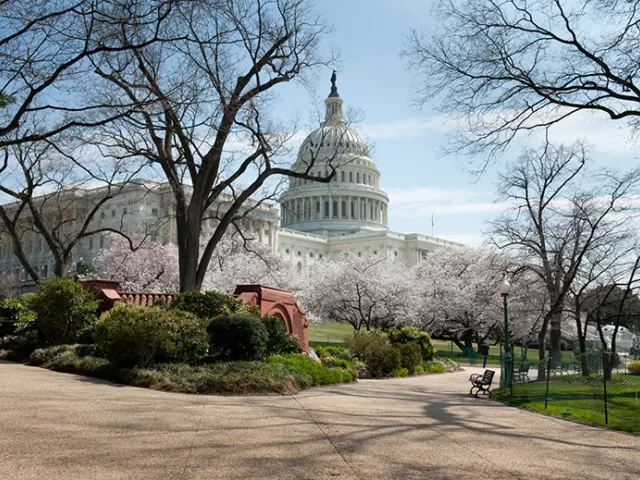
As spring arrives, winter hibernation gives way to the colors, aromas and sounds of flora and fauna. This is the season when the U.S. Capitol as well as its grounds enjoy the highest number of visitors. Warmer temperatures, numerous blooming trees and flowers as well as spring break vacations are
Basic page
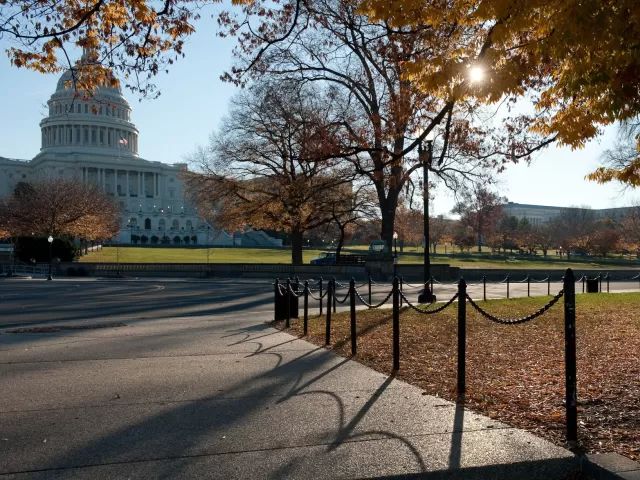
As fall temperatures dip, a verdant Capitol campus gives way to splashes of reds, oranges, yellows and browns that eventually bathe the urban forest in brilliant color.
Basic page
Our unique portfolio of responsibilities creates models for other communities of practice. AOC is committed to being professionals and leaders in our respective arts continuing, establishing and evolving techniques and processes in our fields. A sampling of these partners is below.