Displaying 301 - 330 of 1073 Clear
Highlight
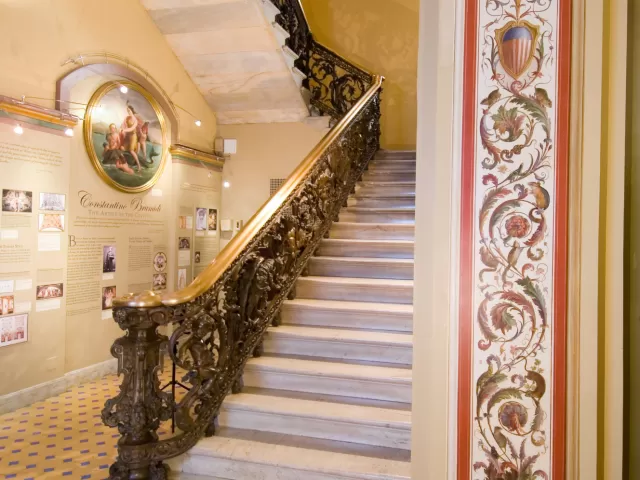
During the mid-19th-century expansion of the U.S. Capitol, which added the House and Senate extensions, four private staircases were installed to allow representatives and senators to move quickly between their second-floor chambers and the building's first floor. Two are located near the House
Projects
Article
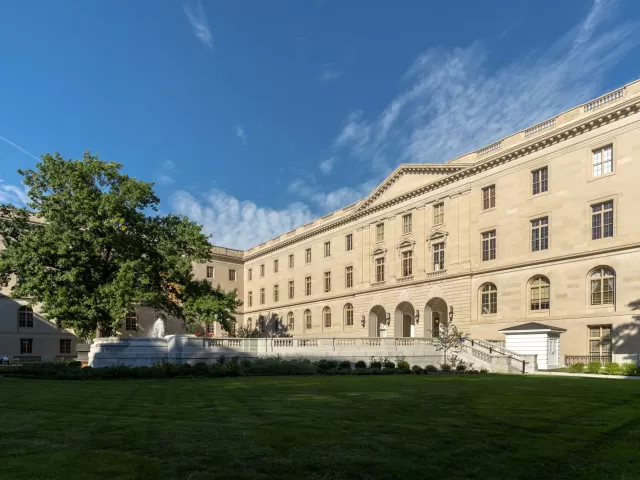
The Russell Senate Office Building courtyard was recently restored as a supplement to the Russell Exterior Envelope Project.
Basic page
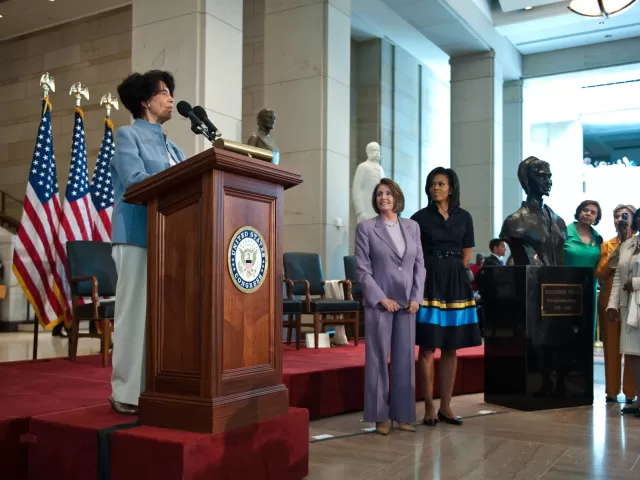
Examples of African American artists with works featured in the United States Capitol and congressional office buildings.
History & Discoveries
Article
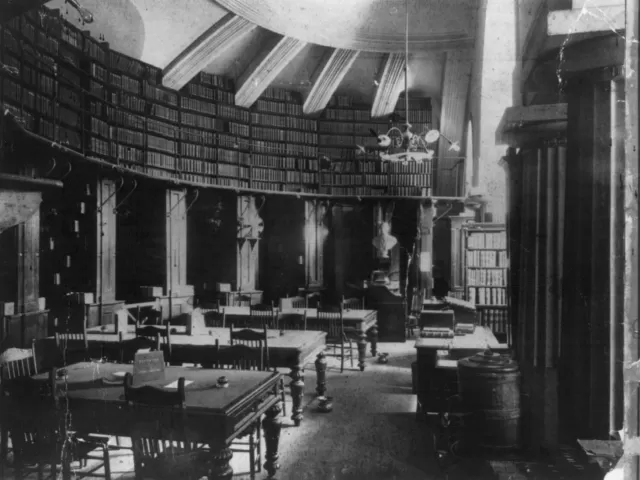
John F. N. Wilkinson, who served as the Assistant Law Librarian, was known for his memory of over 80,000 books that enabled him to retrieve the correct one with "the precision of a Swiss bell-ringer."
Basic page
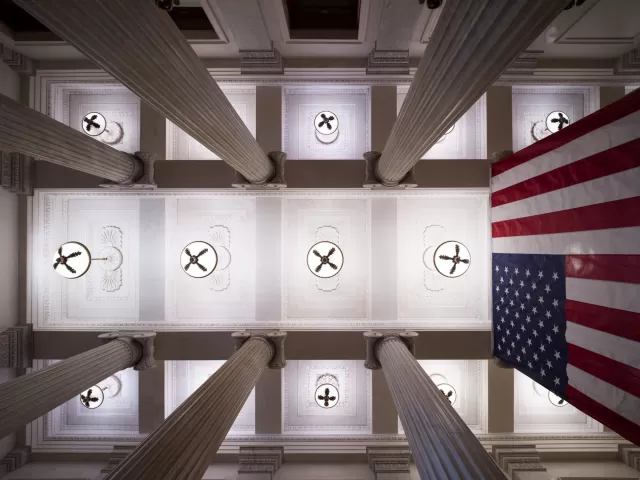
Accomplishing these initiatives is critical to laying the foundation for the Architect of the Capitol's (AOC) long-term success and providing a governance framework that supports effective management. Each strategic objective aligns with multiple strategic goals.
History & Discoveries
Article
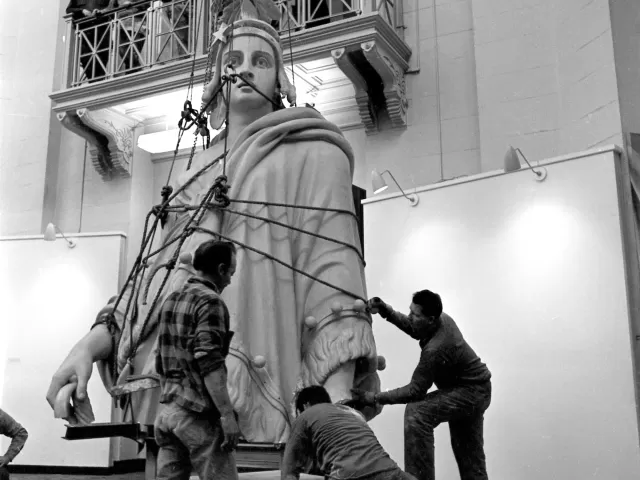
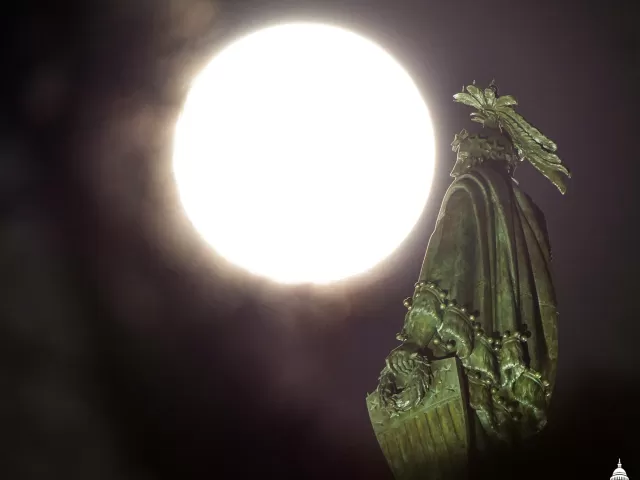
From the time all of its pieces arrived in America in 1859, the 15,000-pound plaster Statue of Freedom has relied on many skilled hands over many generations to preserve it. But before each restoration effort, the beautiful plaster figure had to be cut into pieces. Repeatedly.
Highlight
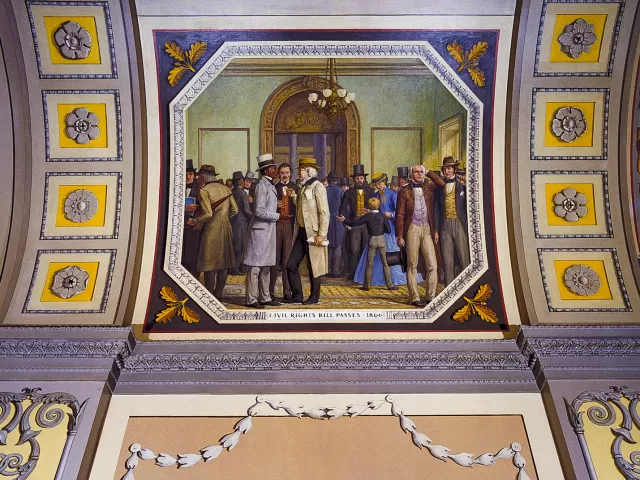
The 1866 civil rights bill, which prohibited discrimination on the bases of race or previous condition of slavery, prefigured the 14th amendment to the Constitution. In the foreground of the mural, former slave Henry Garnet is shown speaking with newspaper editor Horace Greeley, who supported
Highlight
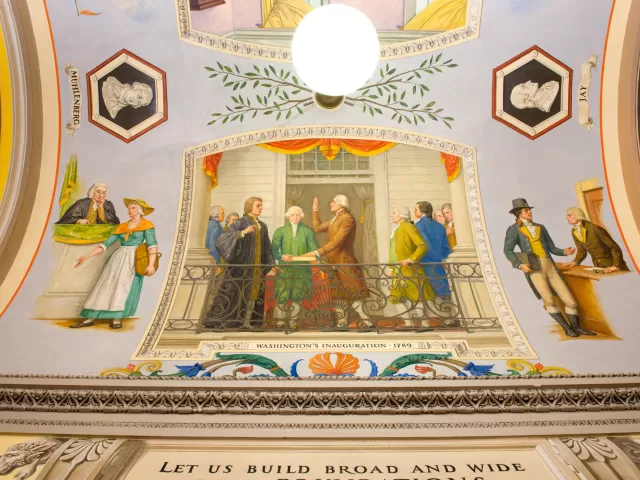
George Washington was sworn in as the nation's first president on April 30, 1789, on the balcony of Federal Hall in New York. The mural depicts (from left to right) Robert R. Livingston, chancellor of the state of New York, administering the oath; Secretary of the Senate Samuel Otis holding the

Behind the Scenes
Article
The dedicated Architect of the Capitol (AOC) employees of the House Office Buildings Floor Care Division work tirelessly to ensure the Capitol campus is ready to welcome Members of Congress, staff and the visiting public.

Behind the Scenes
Article
Before the sun rises each morning, Zamboni-like scrubbing machines scuttle through the halls of the Senate office buildings. This dedicated AOC team spends hours ensuring the marble flooring sparkles.
History & Discoveries
Article
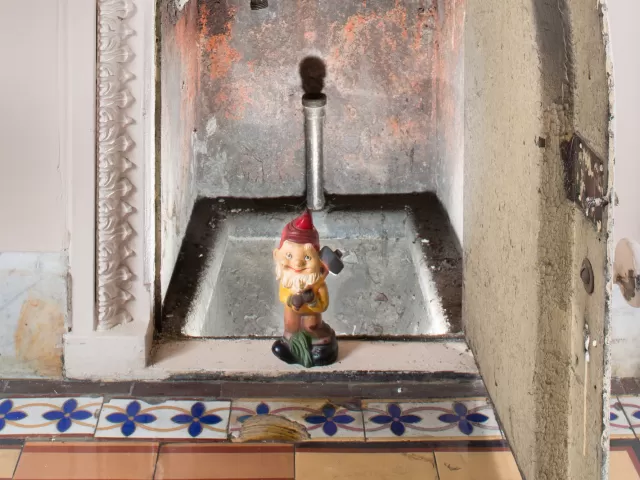
Guesses for what is behind the Capitol Building's smallest doors are as varied as the architectural details that encompass the Capitol campus.
Programs & Events
Article
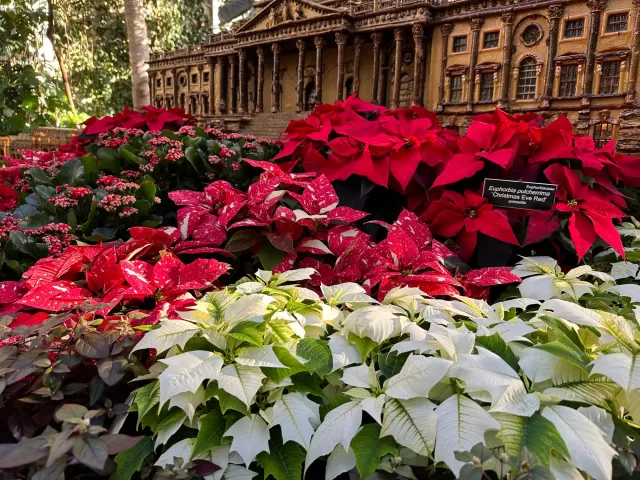
Our gardeners have grown almost 2,000 poinsettia plants to brighten up the United States Botanic Garden (USBG) Conservatory's annual holiday exhibit "Season's Greenings." An expert team at USBG cares for the annual poinsettia crop with daily attentiveness starting in July.
History & Discoveries
Article
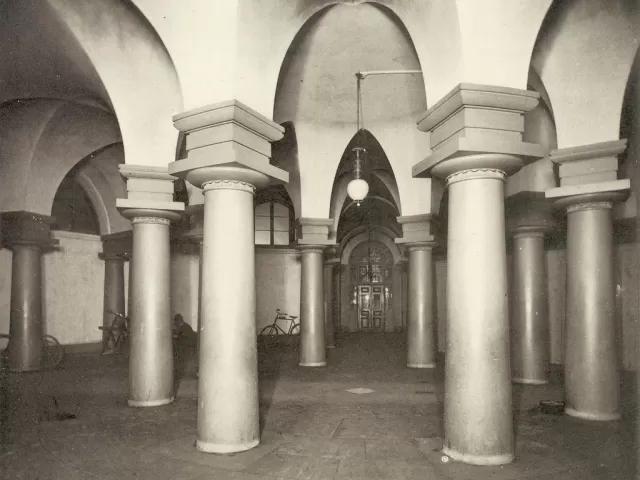
Is anyone buried in the U.S. Capitol? The term "crypt" has long referred to a space beneath the main floor of a church or a chamber in a mausoleum. For many of us it suggests somber, stony silence and perhaps dusty coffins. The Capitol Crypt, however, is a different thing altogether.
Basic page
The Architect of the Capitol's (AOC) annual Performance and Accountability Report (PAR) provides the results of the AOC's financial performance each fiscal year (FY). It demonstrates the AOC's commitment to the accomplishment of its mission and accountability for its financial resources to the
Highlight
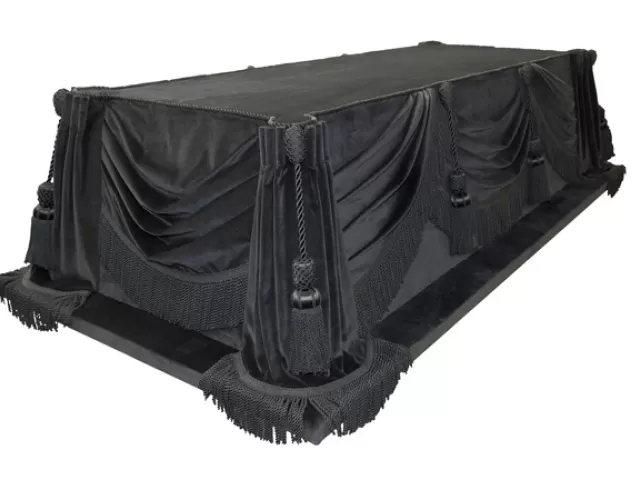
The Lincoln catafalque is a platform constructed in 1865 to support the casket of Abraham Lincoln while the president's body lie in state in the U.S. Capitol Rotunda. It is a simple base of rough pine boards nailed together and covered with black cloth.
Programs & Events
Article
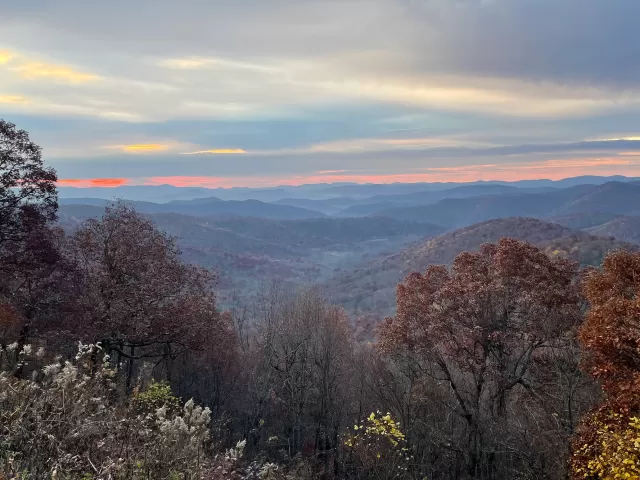
This year the Capitol Christmas Tree hails from Pisgah National Forest in North Carolina; it is extra special because of the forest's historical ties with U.S. Capitol Grounds landscape architect Frederick Law Olmsted.
Project
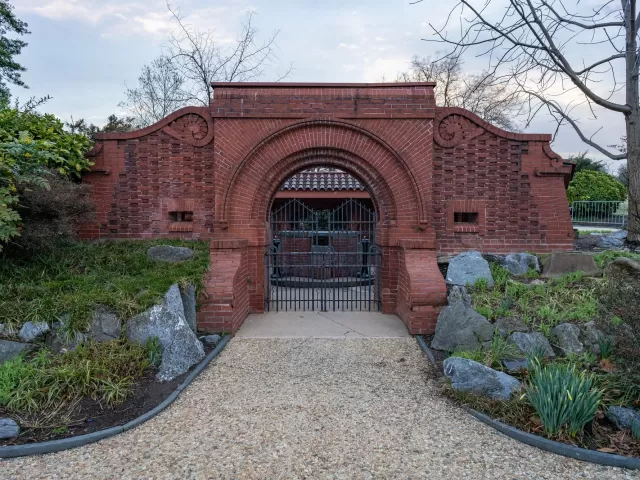
The Architect of the Capitol's repair of the Summerhouse included renovation of the fountain and surrounding landscape, as well as additional landscape improvements to the grotto and surrounding planting beds.
History & Discoveries
Article
Discover the myths, mysteries and folklore of this historic American building.
Projects
Article
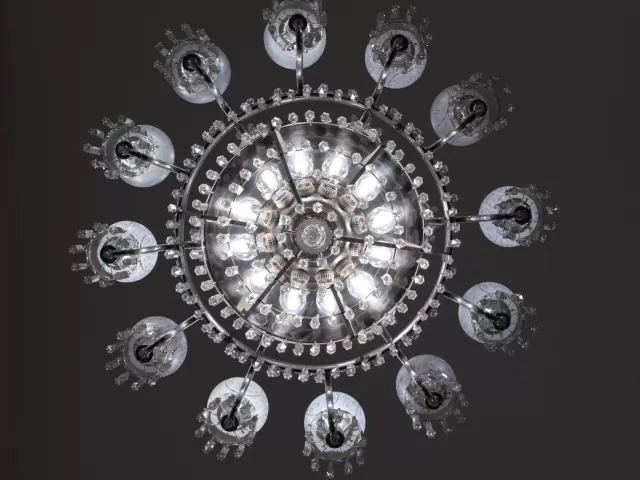
While light fixtures are like jewelry to a room, they can also set a tone for the significance of the space. Naturally, they also provide illumination to enable work and safe movement.
Behind the Scenes
Article
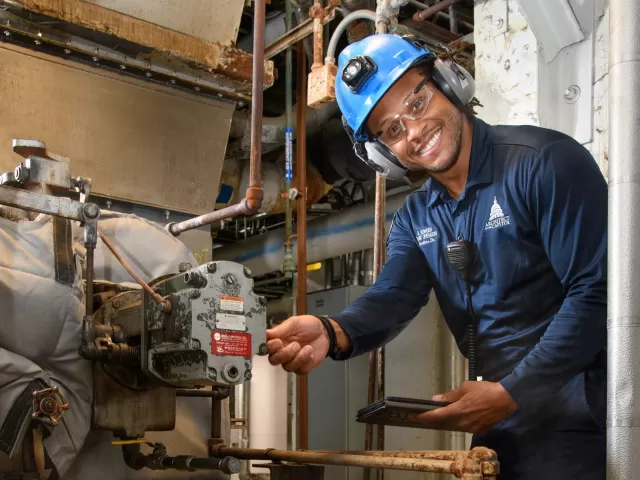
The mission of the Architect of the Capitol (AOC) continues year-round, 24 hours a day, seven days a week. Our buildings never sleep, and the work never stops. This is especially true for the dedicated workers at the Capitol Power Plant.
Highlight
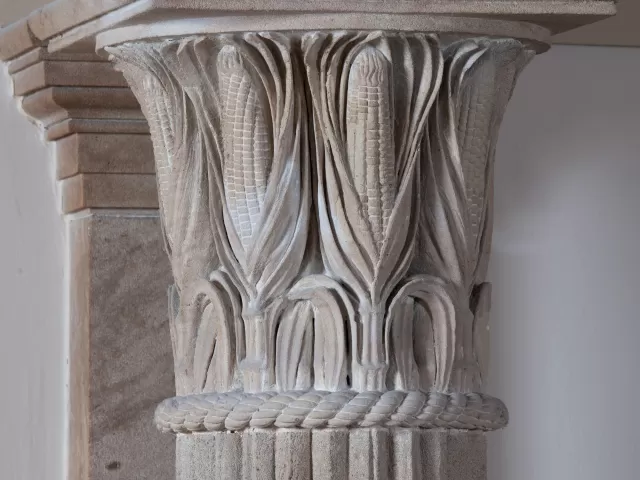
Some of the oldest and most famous interior features of the Capitol are located near the entrance to the Old Supreme Court Chamber. These six corncob columns, designed ca. 1808 by Benjamin Henry Latrobe, are among the most unusual and significant architectural works of the early Republic.
Programs & Events
Article
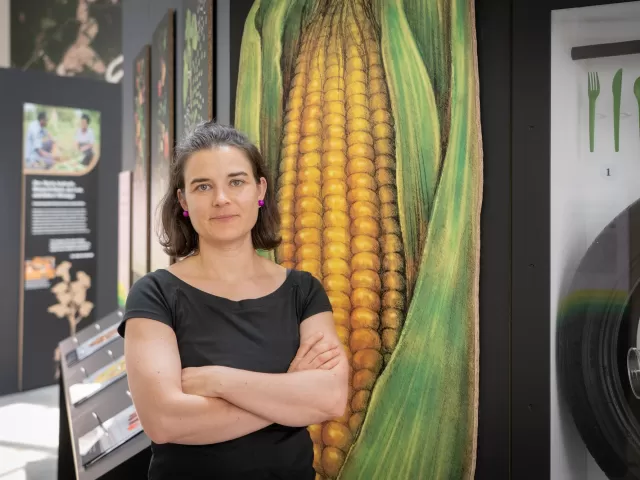
Visitors can explore the galleries and gardens to learn how inventive ideas in agriculture, both scientific and social, sustain and enrich life and how growing and cooking food connects people with each other and their communities.
Highlight
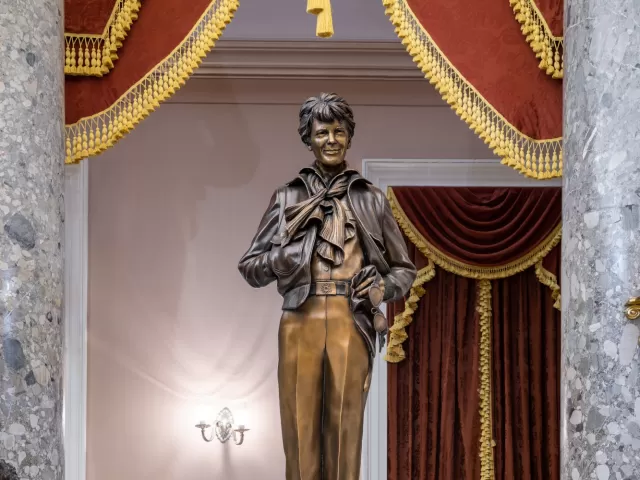
Amelia Mary Earhart (1897-c.1937) was a record-setting aviator, an author, and a businesswoman. This statue was given to the National Statuary Hall Collection by Kansas in 2022. Sculptors Mark and George Lundeen are brothers; they also sculpted the statue of John L. "Jack" Swigert.
Highlight
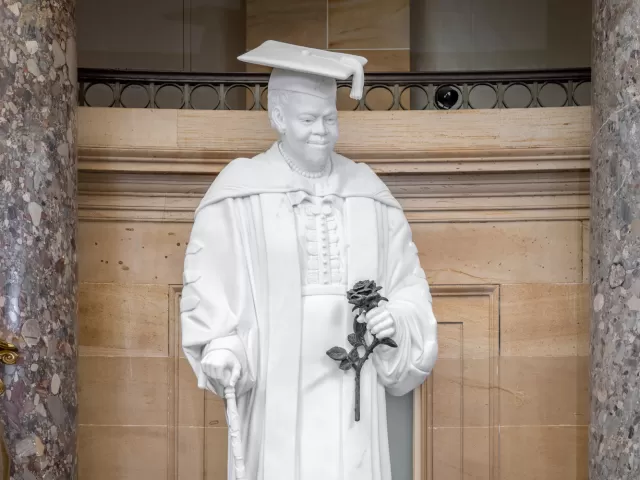
Dr. Mary McLeod Bethune (1875-1955) was an educator, civil rights activist, and presidential advisor. This statue was given to the National Statuary Hall Collection by Florida in 2022. Nilda Comas is the first artist of Puerto Rican descent commissioned to sculpt a statue for the National Statuary
Behind the Scenes
Article
Whether you work on Capitol Hill, are a regular visitor or you are planning to visit for the first time, remember to stay mindful of your surroundings.
Behind the Scenes
Article
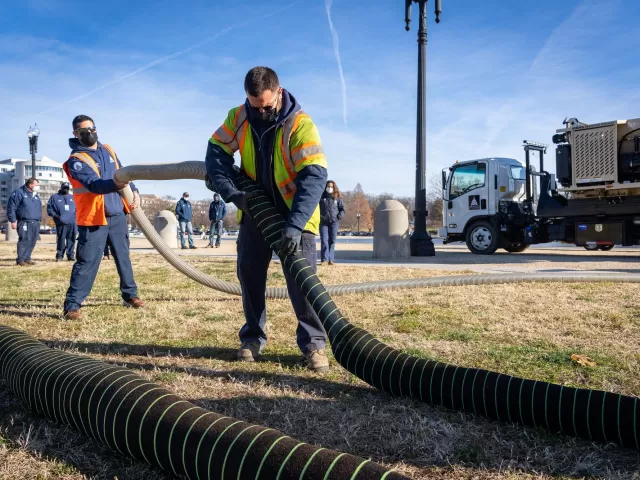
On a sunny morning, employees from Capitol Grounds and Arboretum gathered to see a demonstration of a new tool and hear about its benefits.

Behind the Scenes
Article
The Architect of the Capitol's (AOC) commitment to energy conservation and sustainability has resulted in a reduction of energy use by almost 50 percent across the Capitol campus since 2003. The agency continues to look for ways to build on those efforts as it works toward achieving reductions
Public Notice
Article
Architect of the Capitol J. Brett Blanton testified May 11 in front of the Subcommittee on Legislative Branch, Committee on Appropriations, United States Senate.
Behind the Scenes
Article
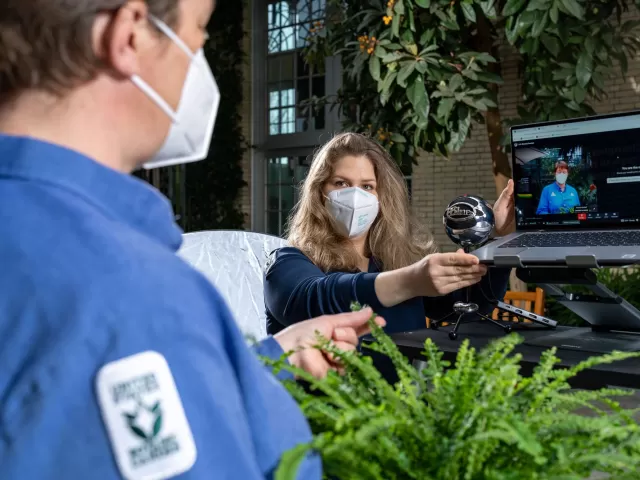
Like other parts of the education world in March 2020, the COVID-19 pandemic-forced closure of the United States Botanic Garden (USBG) significantly impacted the USBG Learning and Engagement team. Much of their work consisted of connecting people with plants through hundreds of in-person educational

Public Notice
Article
The "Sammies" are the premier awards program honoring excellence and innovation in federal service.